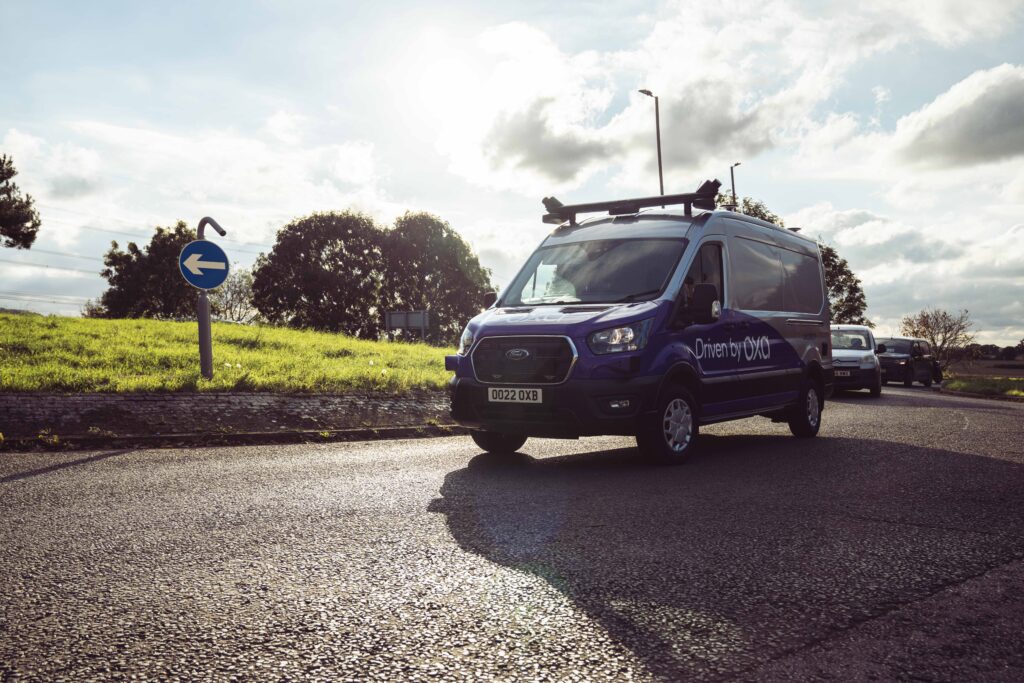
2024 was a very successful and fruitful year for the UK’s Automated Vehicles (AV) industry, with various milestones achieved, including the enactment of the world-leading Automated Vehicles Act; over $1 billion raised by Wayve, the leading developer of Embodied AI technology for automated driving; Oxfordshire-based Oxa revealed the Ford E-Transit van and minibus fitted with its Driver software; and the launch of PAVE UK, the country’s first national initiative focused on raising public awareness and education of self-driving vehicle technology, and many more.
To celebrate the one-year anniversary of the world-leading AV Act, PAVE UK talks to some senior members of the UK AV ecosystem on the key priorities of AV development this year.
Without a doubt, the secondary legislation for the AV Act is at the top of the agenda.
”The critical next step towards ensuring automated driving technology has a fighting chance of delivering annual economic benefits as high as £66 billion and saving 3,900 lives by 2040 is to establish a full regulatory system at pace following the passing of the landmark Automated Vehicles Act 2024,” says David Wong, Head of Technology and Innovation for the Society of Motor Manufacturers and Traders.
”The critical next step towards ensuring automated driving technology has a fighting chance of delivering annual economic benefits as high as £66 billion and saving 3,900 lives by 2040 is to establish a full regulatory system at pace following the passing of the landmark Automated Vehicles Act 2024”
David Wong, Head of Technology and Innovation, Society of Motor Manufacturers and Traders

‘‘This means the government must expedite the process of consultation beginning this year and bring forward plans to introduce secondary legislation sooner rather than later.’’
Sarah Gates, Director of Public Policy for Wayve, adds, ”Recognising where the automotive market is in 2025, at Wayve, we’re developing an advanced driver assistance or “hands-off driving systems” system first. To support ADAS and future self-driving technologies, we need progress on legislation across all automation levels.’’
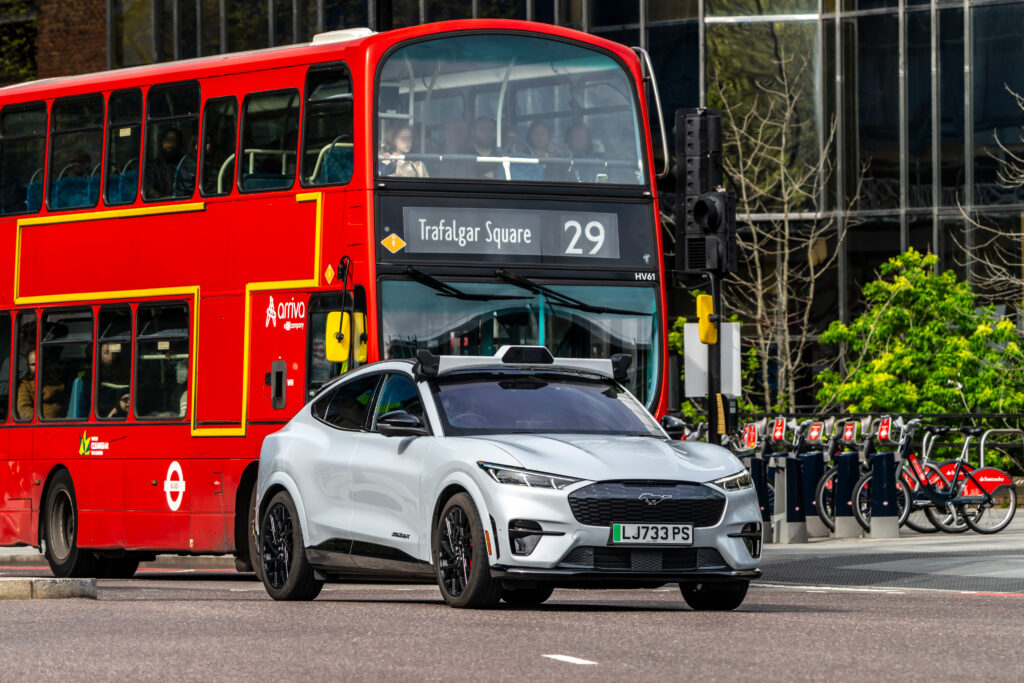
The right regulation not only supports AV technology to flourish on the UK’s soil but also helps bring in global investment to our market.
‘‘In addition to our homegrown national champions, major American automated driving technology developers also told us at this year’s CES in Las Vegas that the UK is a key future market for their international expansion. However, this depends hugely on regulatory certainty, particularly when other major European markets are also competing for their investment.’’ David says.
Following up on the Government’s latest AI Opportunities Action Plan, the AV ecosystem is keen to see more opportunities & investment in utilising safe AI in the development of AV. Oxa, our very own technology developer, which leads several automated vehicle projects in the UK and the US, shines light on AVs and AI being intertwined technologies.
“AI drives AVs. We must also not forget that AVs are complex and revolutionising transport doesn’t happen overnight. But more must be done to make the case for AVs and now is the time” urges Jamie Hodsdon, Global Head of Regulatory & Public Affairs, Oxa.
”AI drives AVs. We must also not forget that AVs are complex and revolutionising transport doesn’t happen overnight.”
Jamie Hodsdon, Global Head of Regulatory & Public Affairs, Oxa

‘‘Ultimately, the challenge will lie in developing AI systems that are safe, reliable and regulation-ready. We believe Wayve’s approach, which is focused on developing AI capable of decision-making in complex, real-time world environments, is the scalable way to achieve this goal.” Sarah adds.

”We believe Wayve’s approach, which is focused on developing AI capable of decision-making in complex, real-time world environments, is the scalable way to achieve this goal”
Sarah Gates, Director of Public Policy, Wayve
Both Oxa and Wayve are trialling assisted and automated driving technology in different parts of the country to prepare future deployments on the roads.
The industry thinks that 2025 is the time to level up the AV trials to be more commercial and passenger-focused.
‘‘Both central and local governments should work closely with industry this year to develop and finalise an optimal mechanism to provide legal certainty, operational guidance and passenger permitting to enable advanced trialling.’’ says David.
On commercialisation, Jamie highlights, “At Oxa, our customers are telling us that they need vehicles that automate routes that depend on a driver but are low complexity. Autonomy can augment businesses’ existing operations now, helping to drive down costs and increase margins with their existing workforce.”
While working on supporting commercial deployment, David acknowledged the importance of an organisation like PAVE UK, which encourages the industry and government to prioritise public education and communications on AVs. ‘‘Ultimately, the success of automated vehicles hinges on public and business acceptance of this new technology.”
Professor Siddartha Khastgir, Director of PAVE UK, adds, ‘‘In order to develop trust in self-driving technology, our singular focus is to help ensure the wider public is accurately informed about the technology’s capabilities and limitations. Providing the evidence to help the government implement the provisions under the “misleading marketing” clause in the AV Act remains one of our key priorities for 2025”.
Through a ruthless focus on three key aspects: technology, people and policy, 2025 is building up to be an inflection point on the UK’s automated vehicle journey. It is our hope and mission to ensure this journey is both safe and inclusive while bringing societal and economic benefits for the UK.