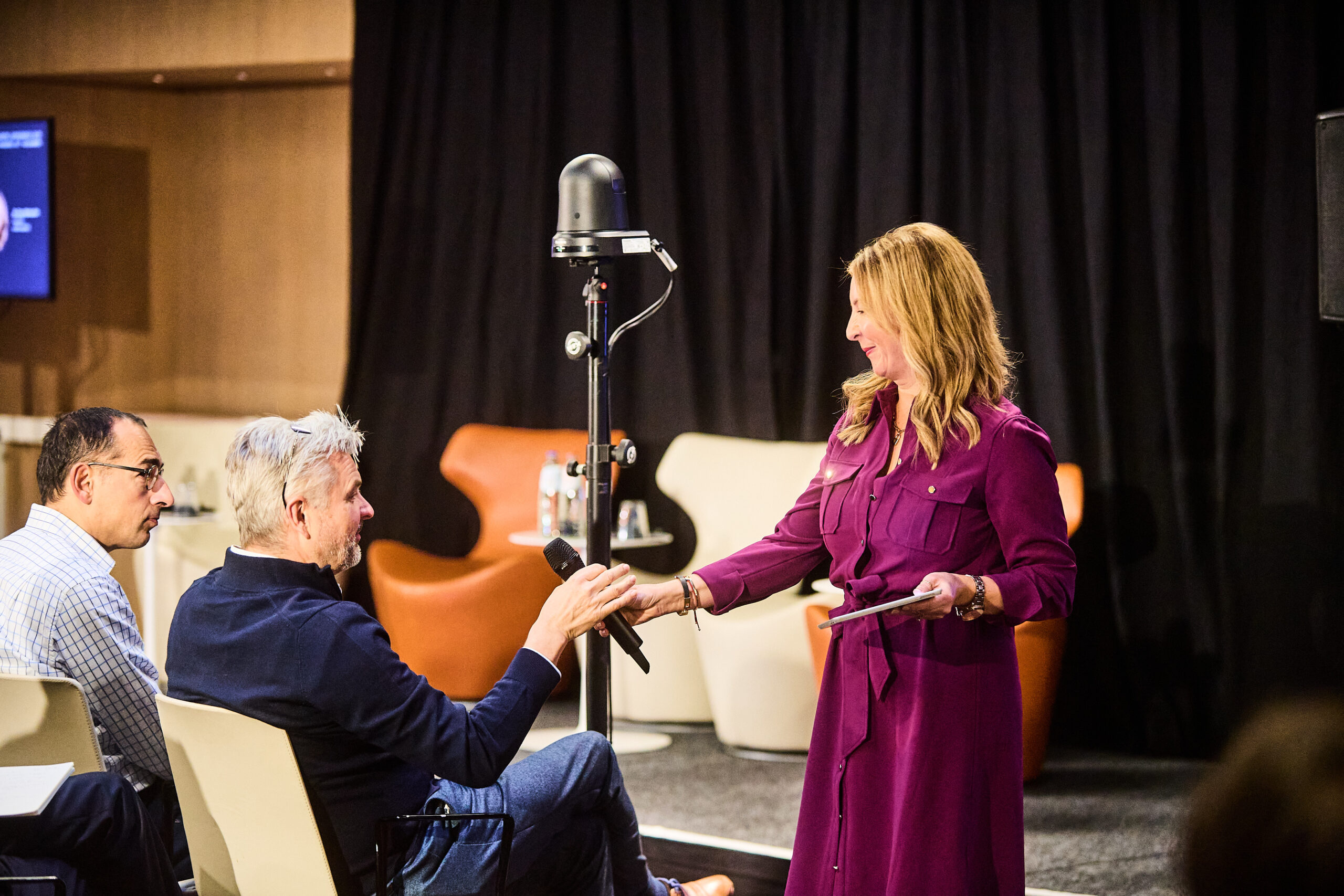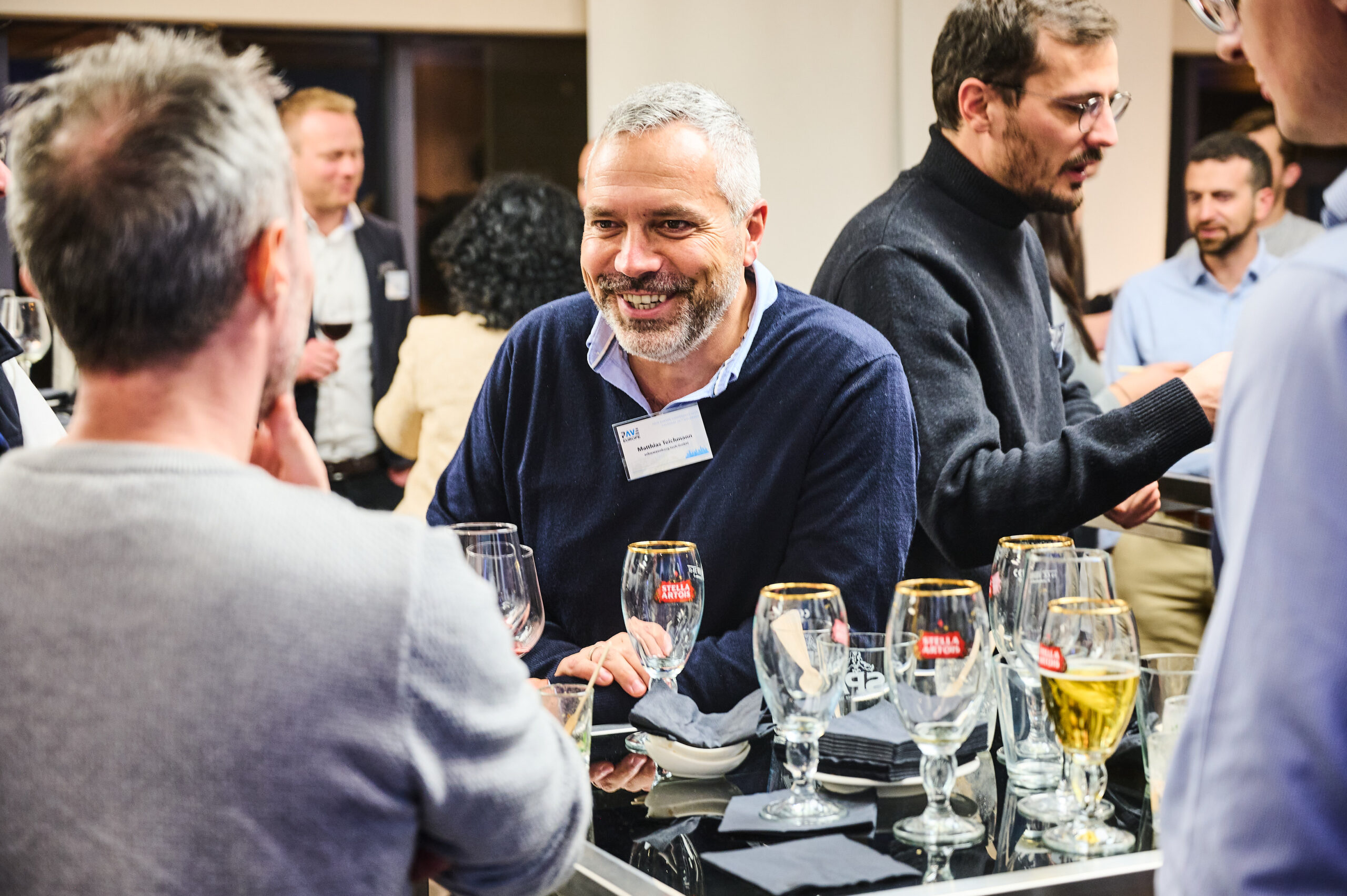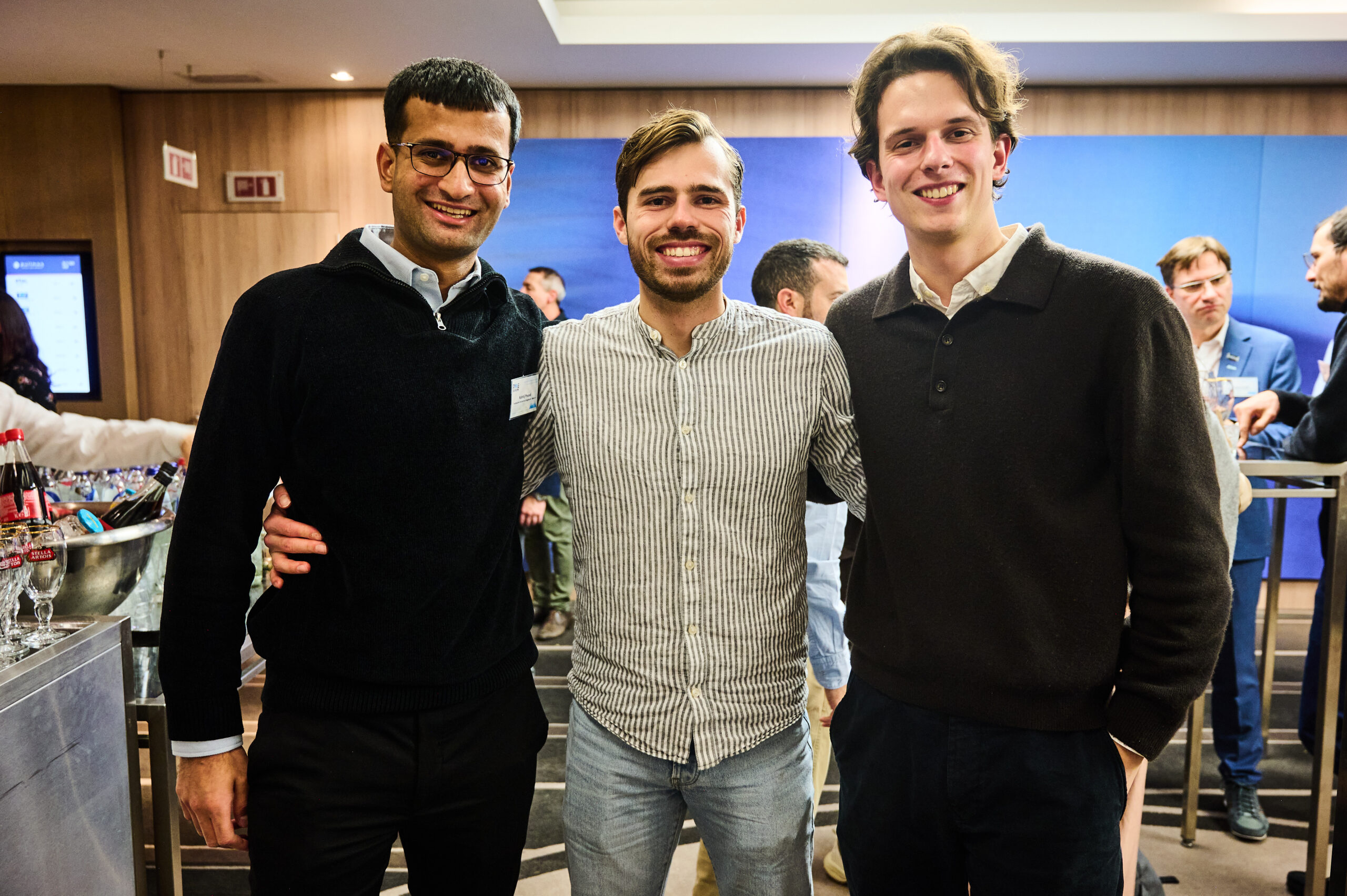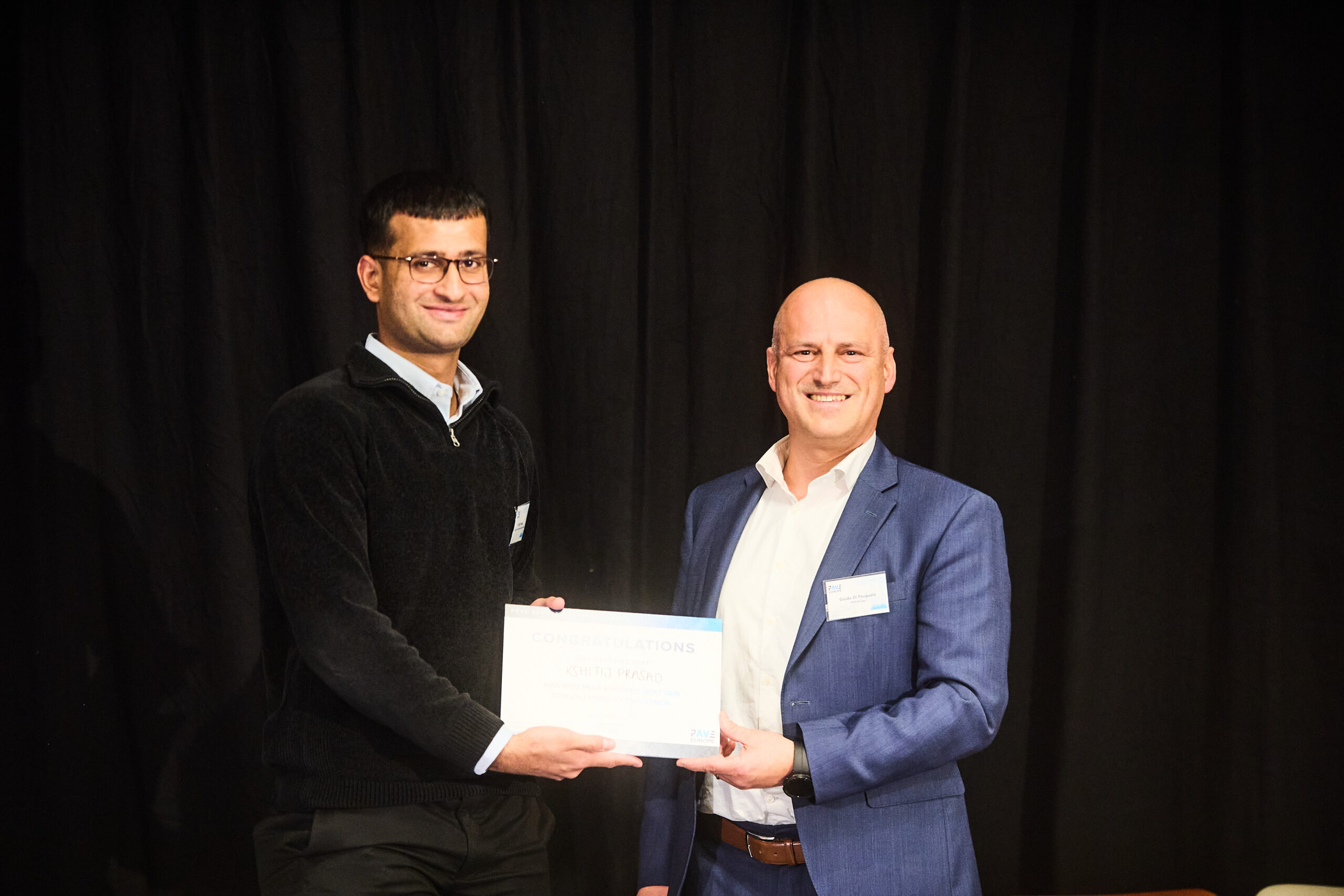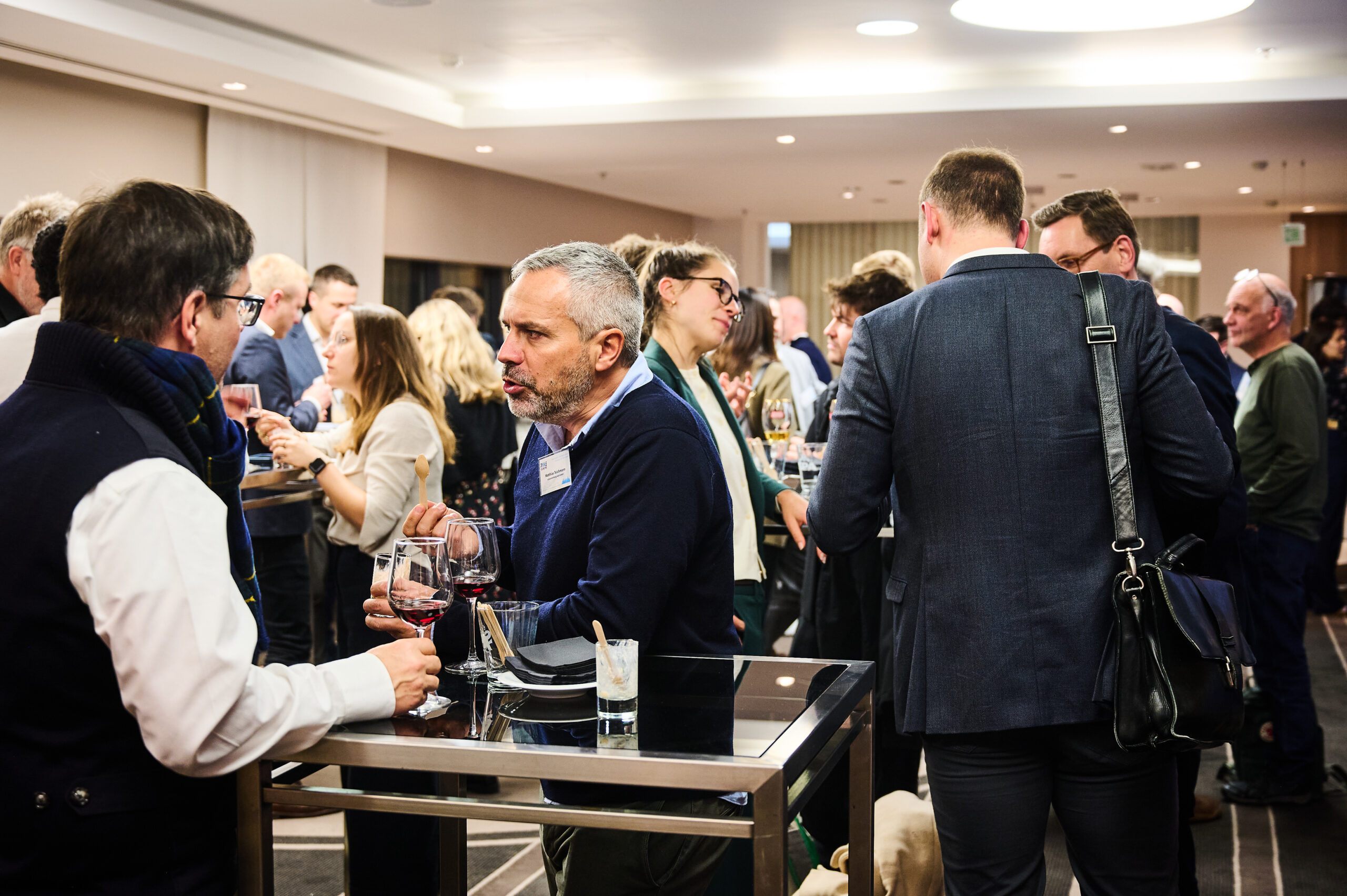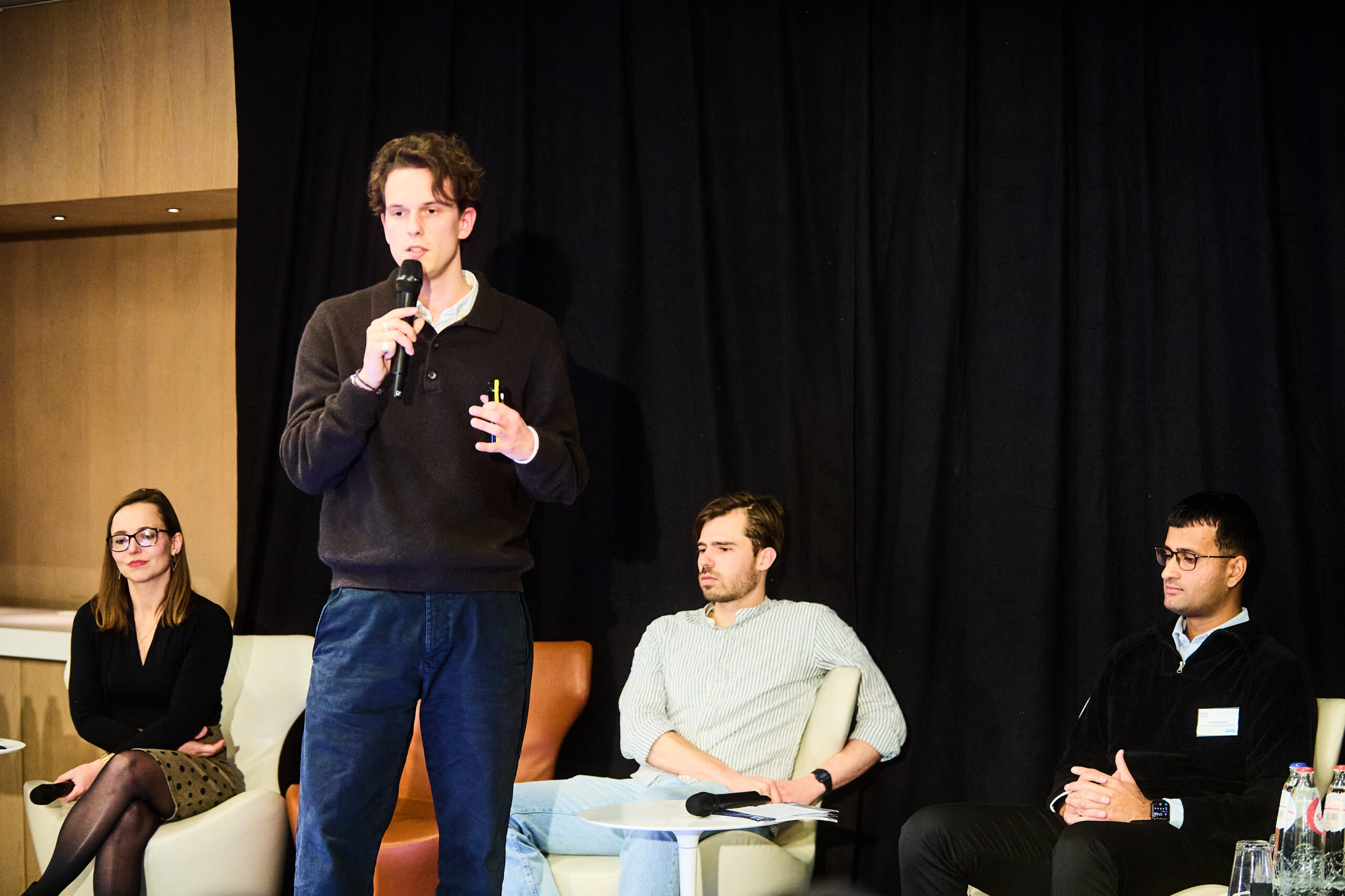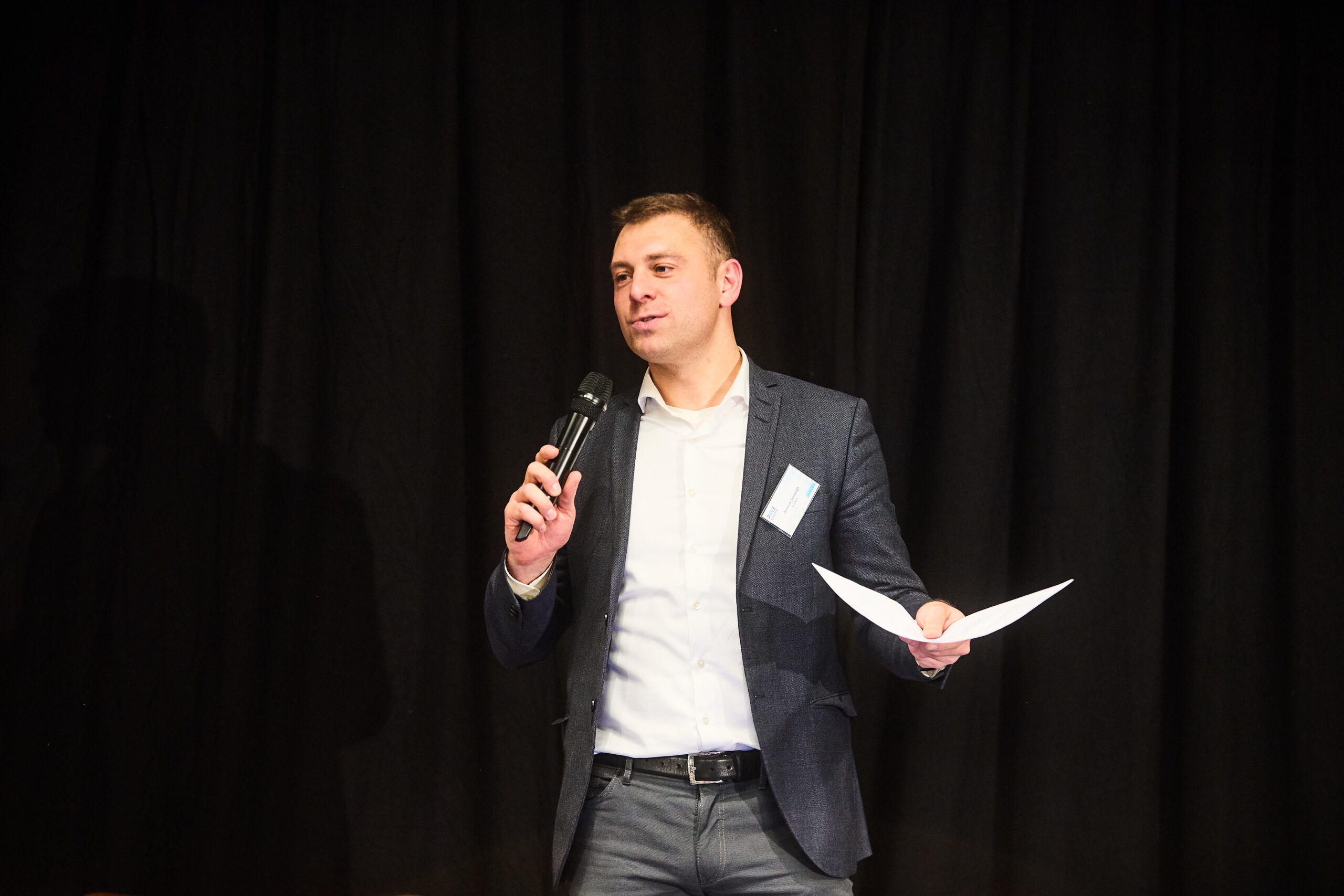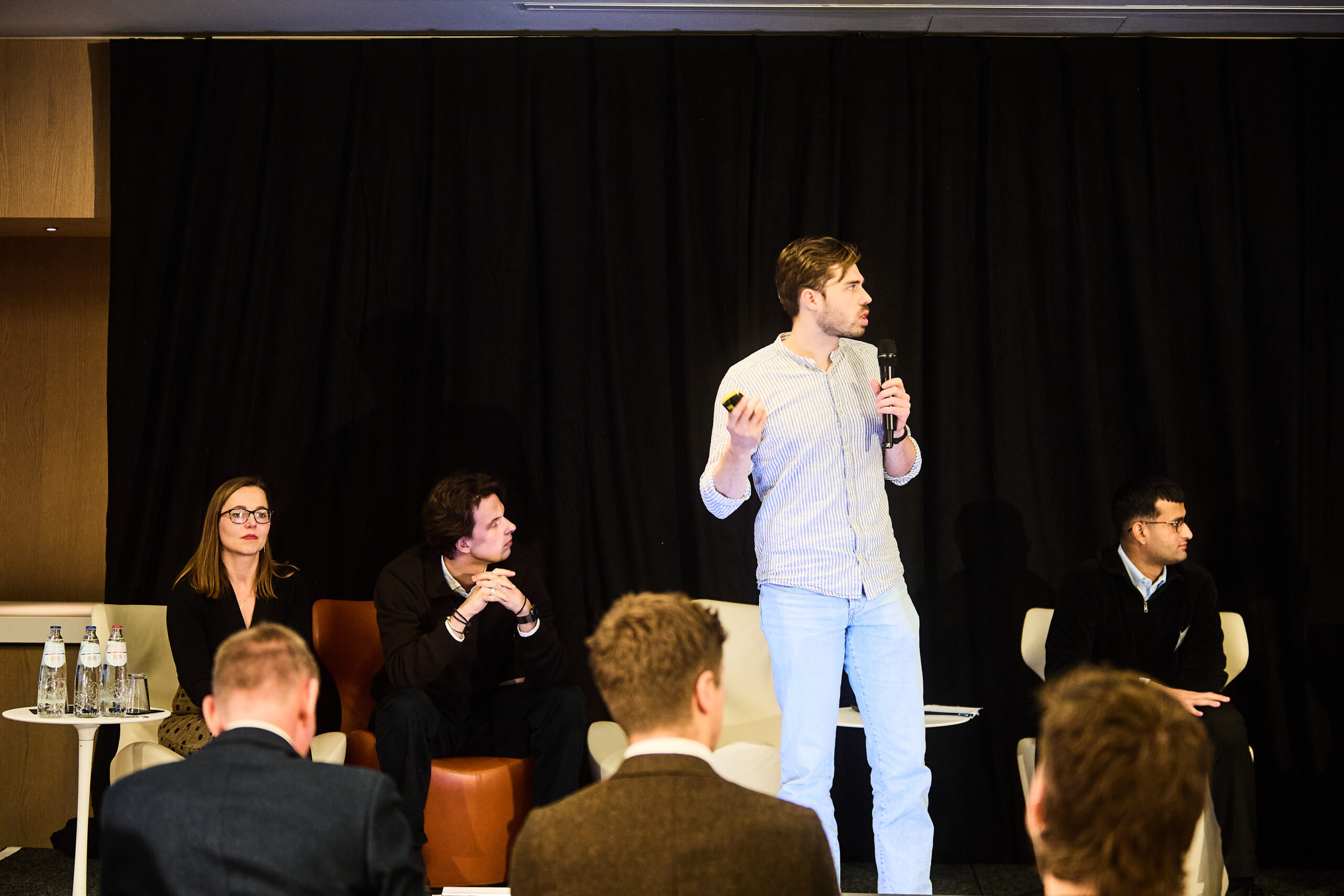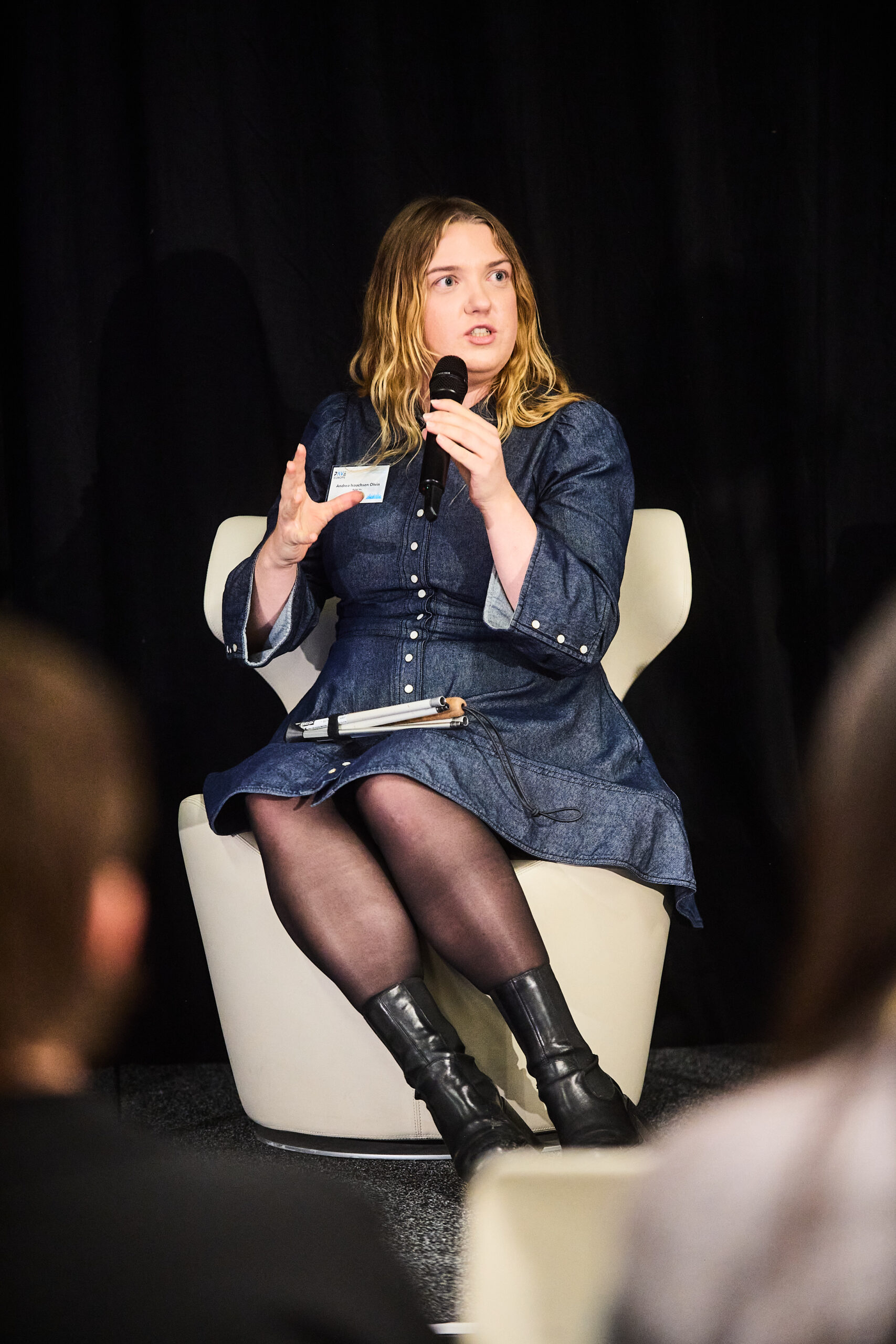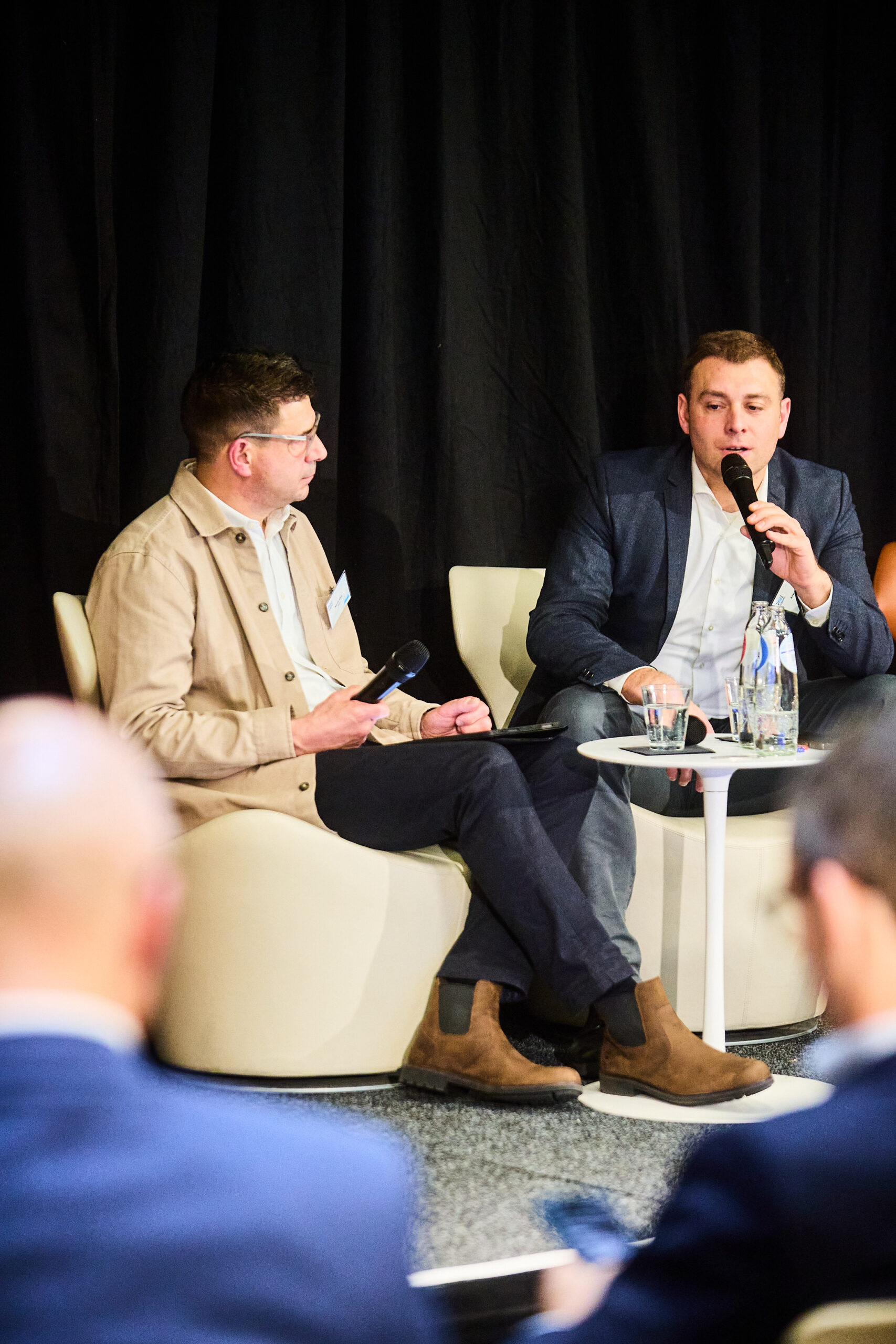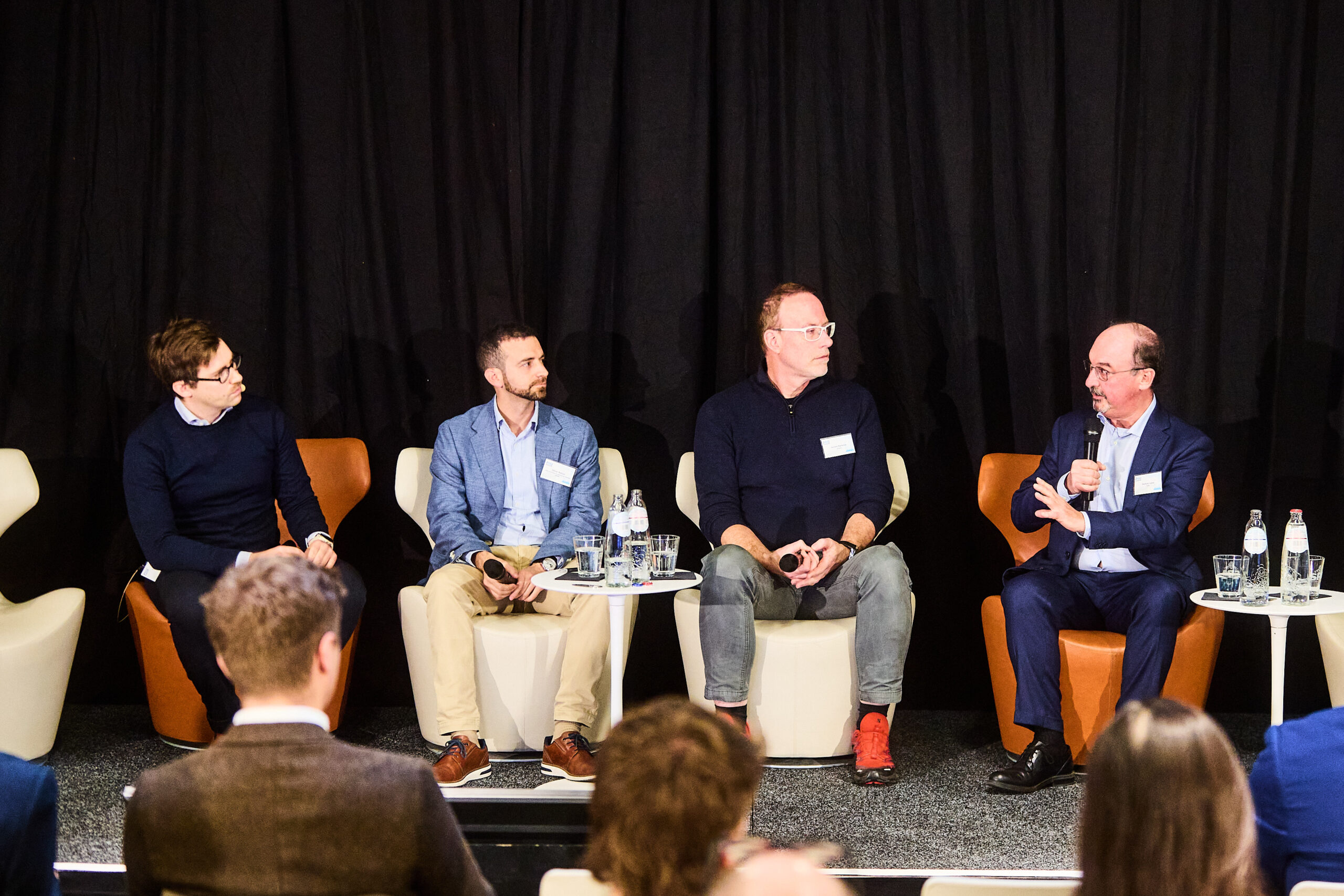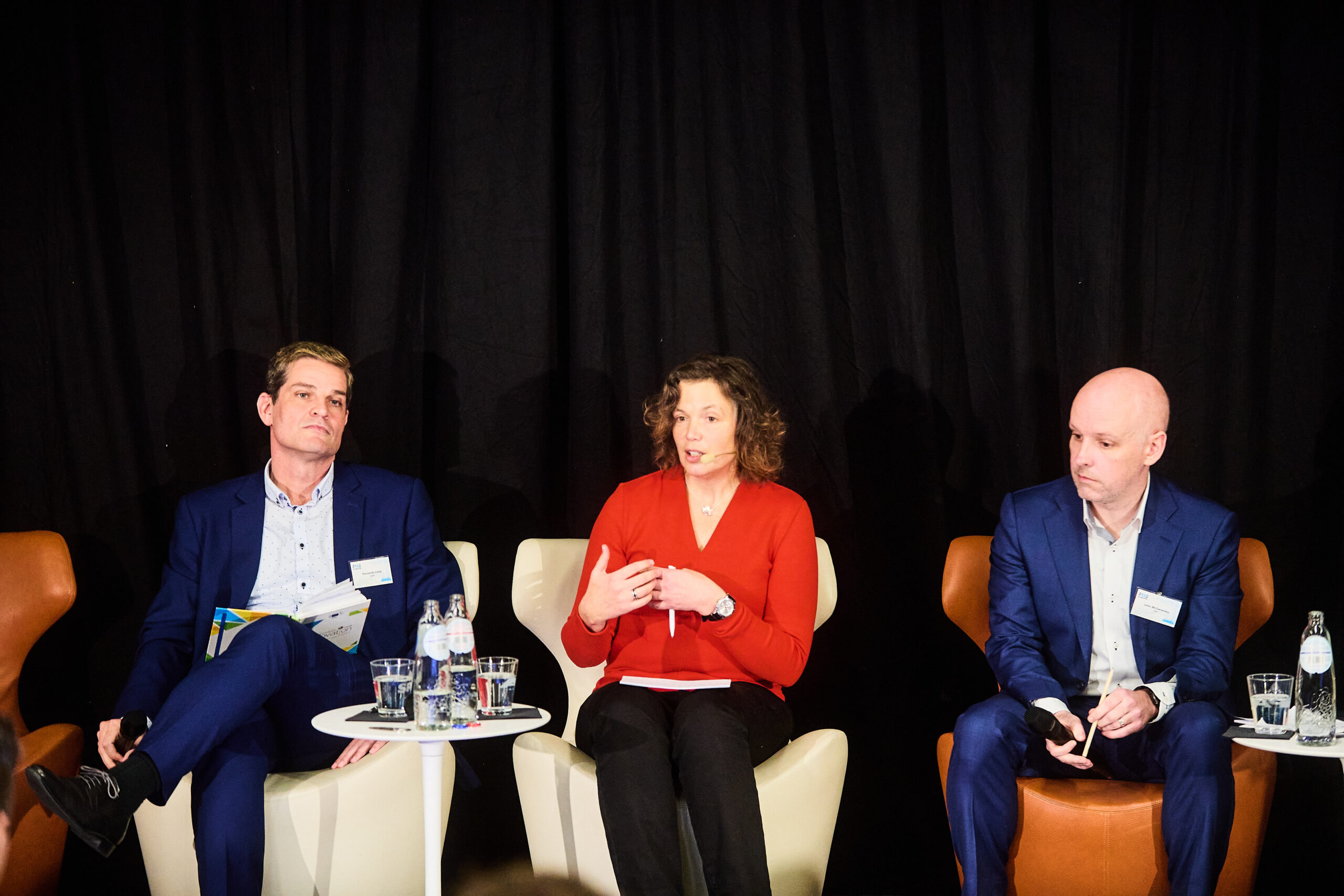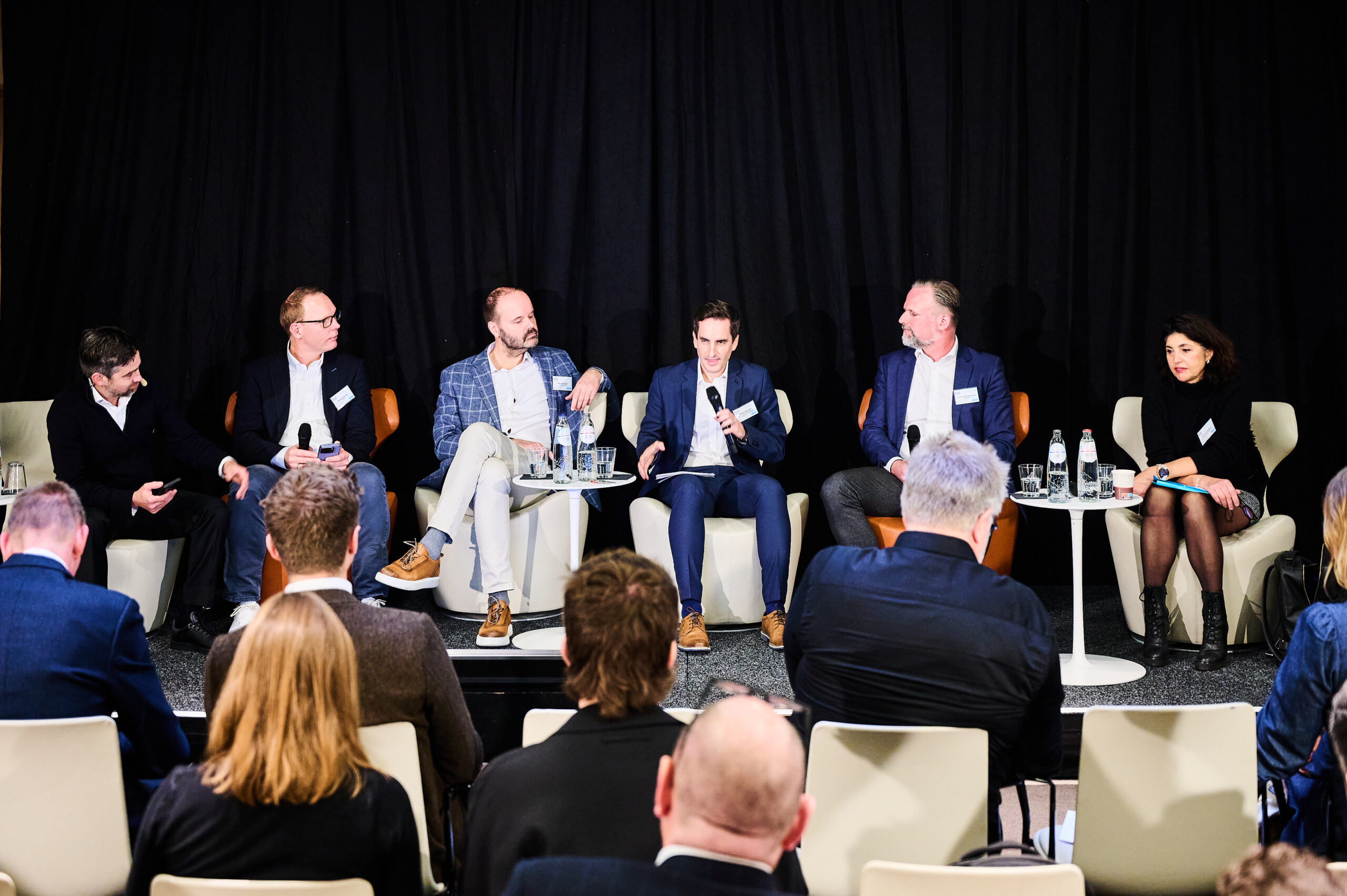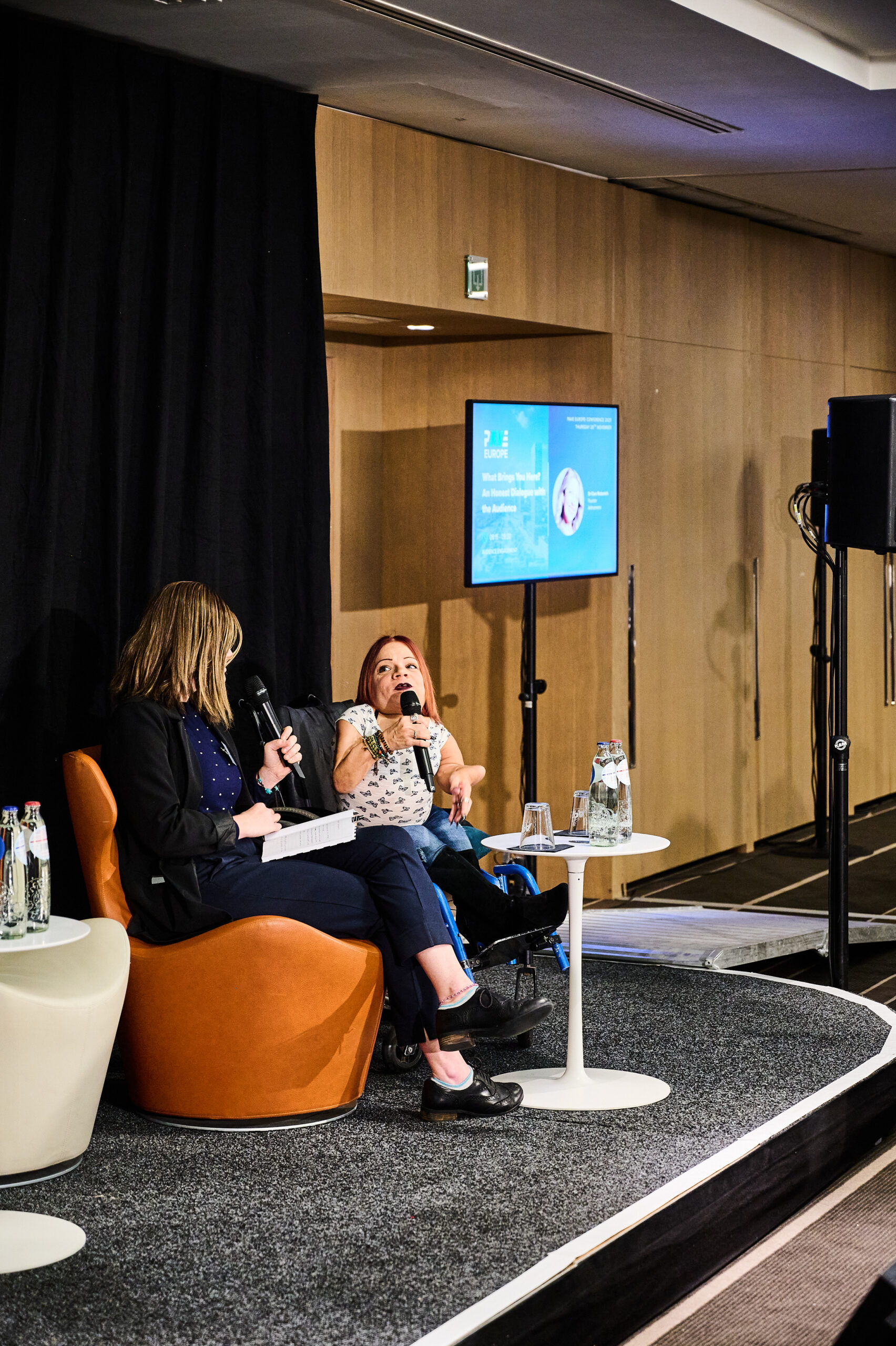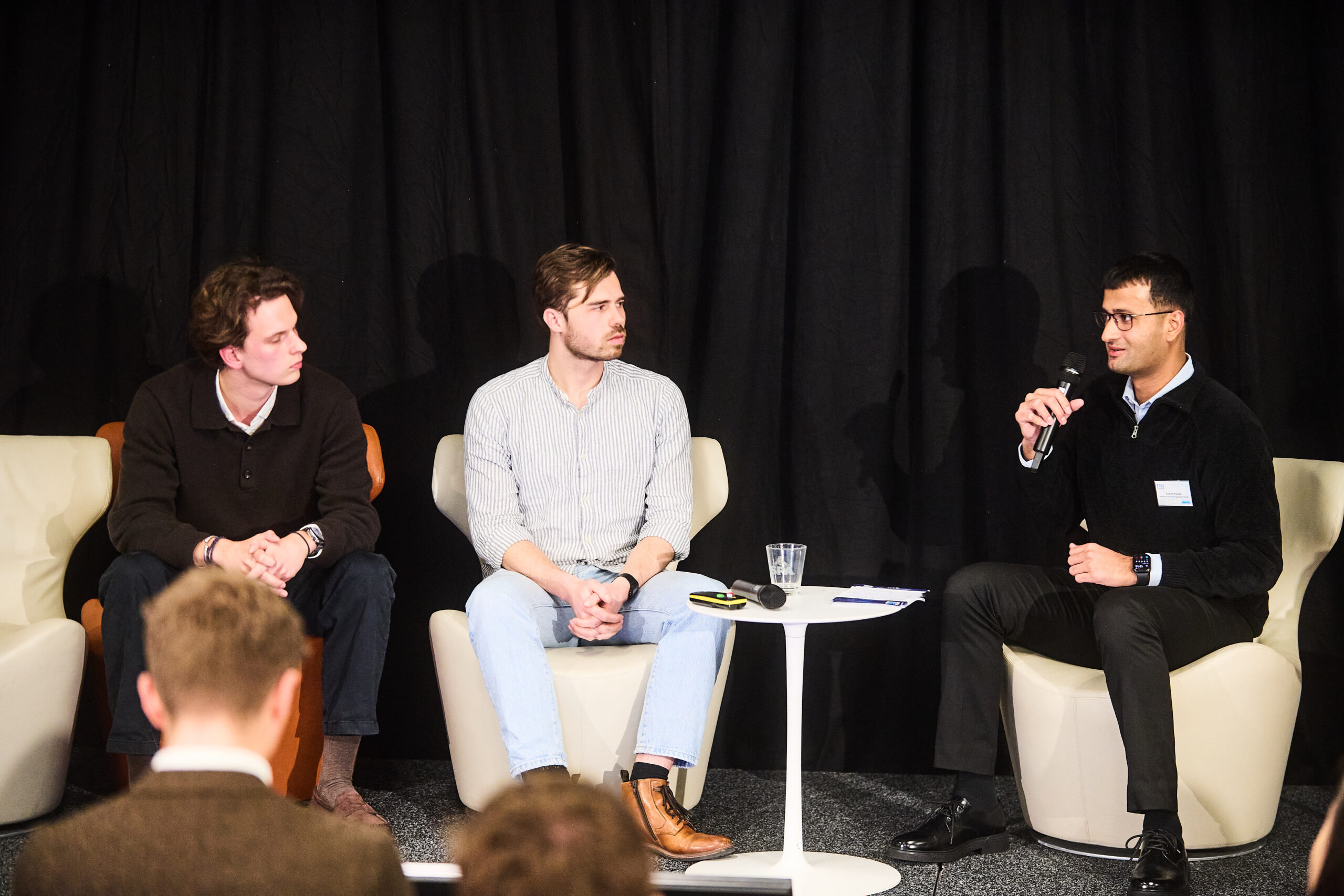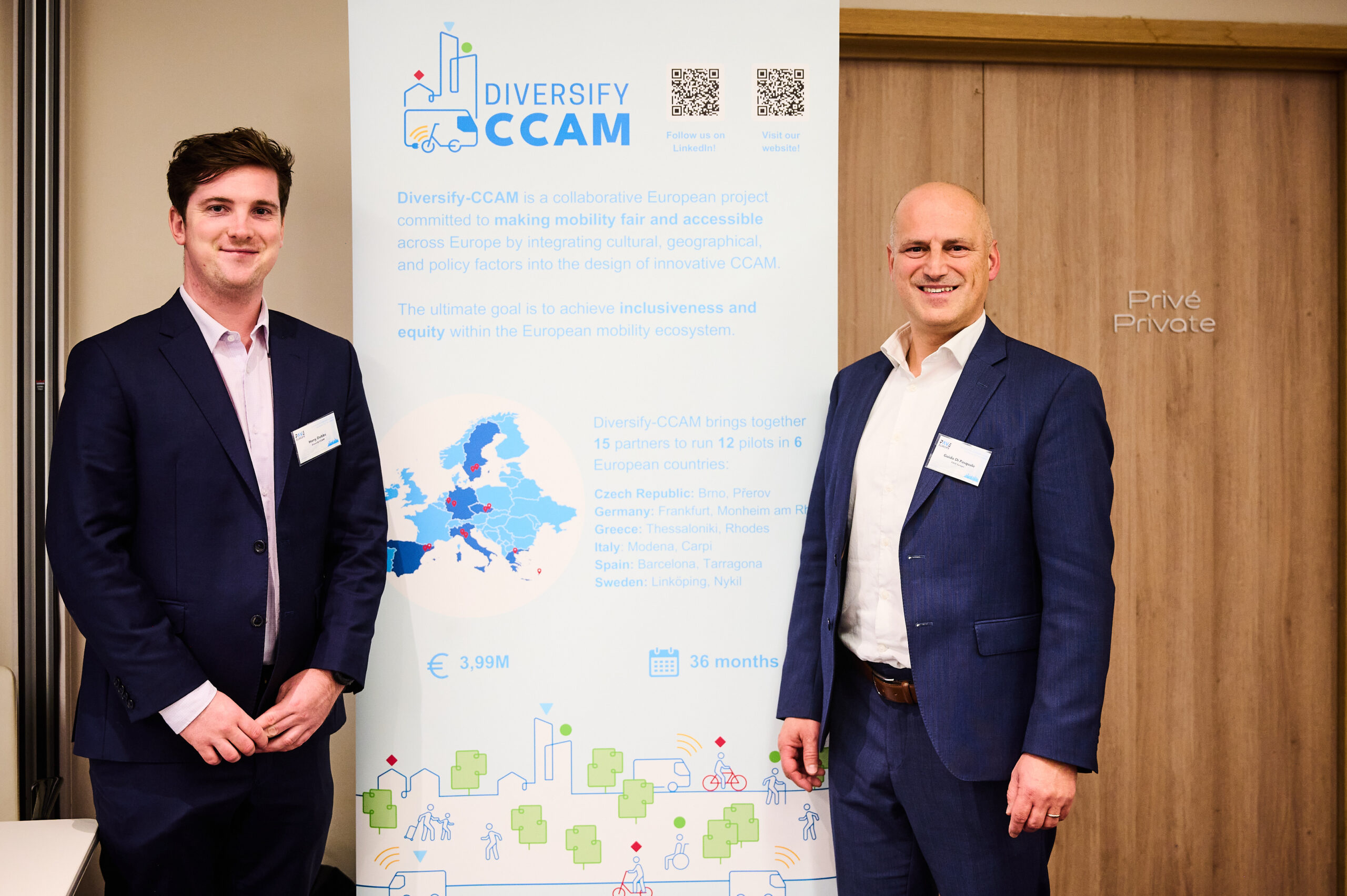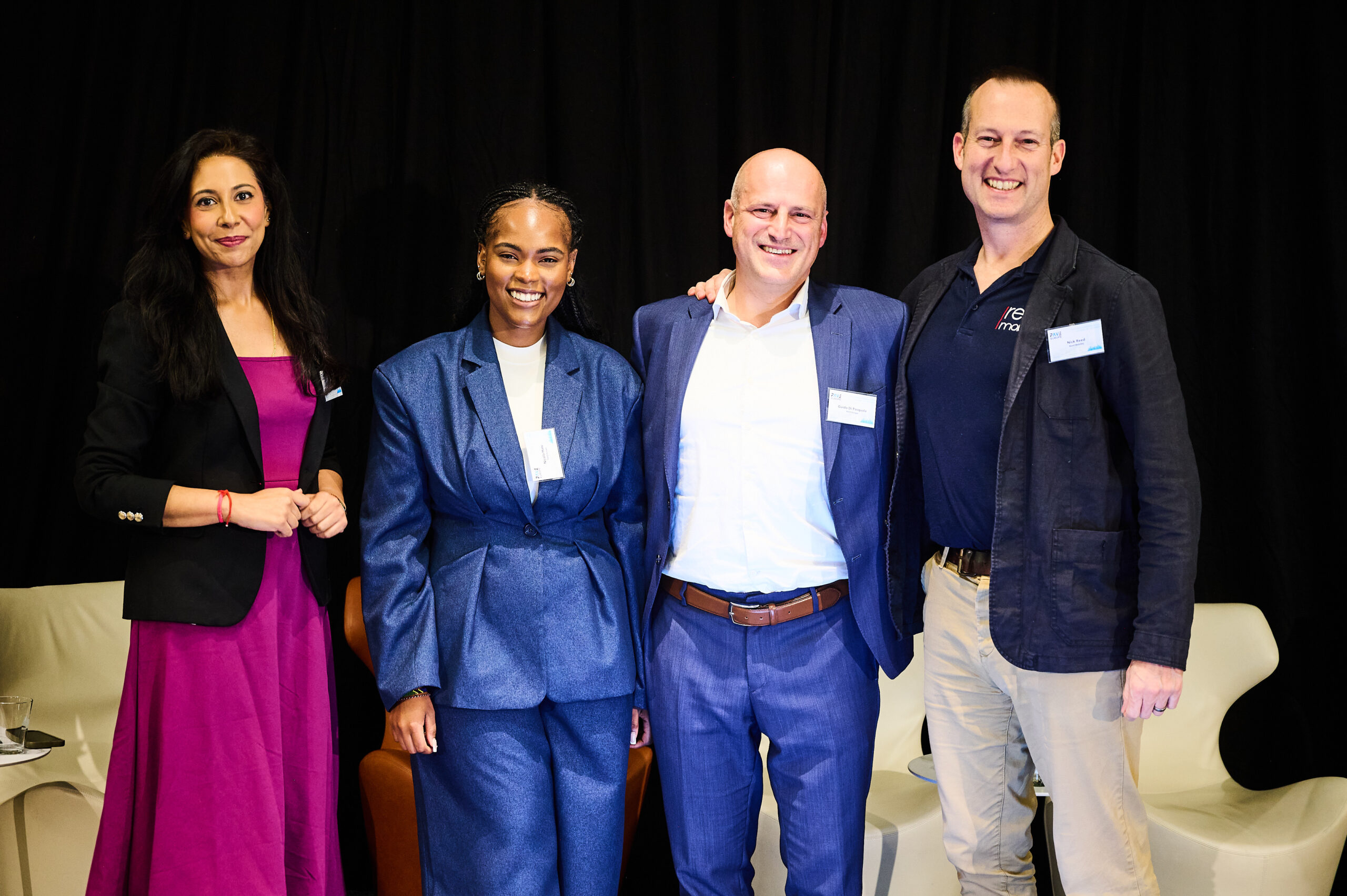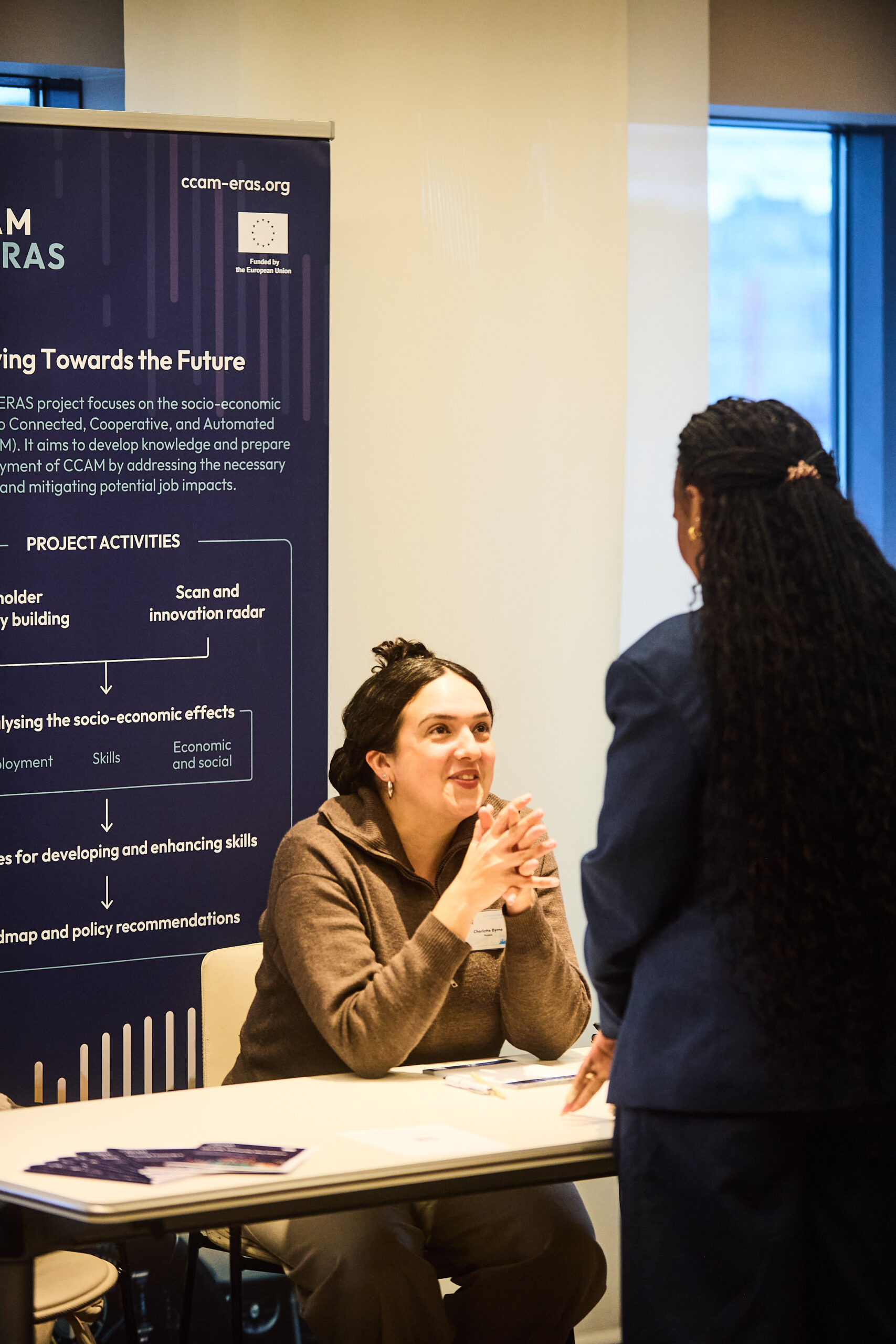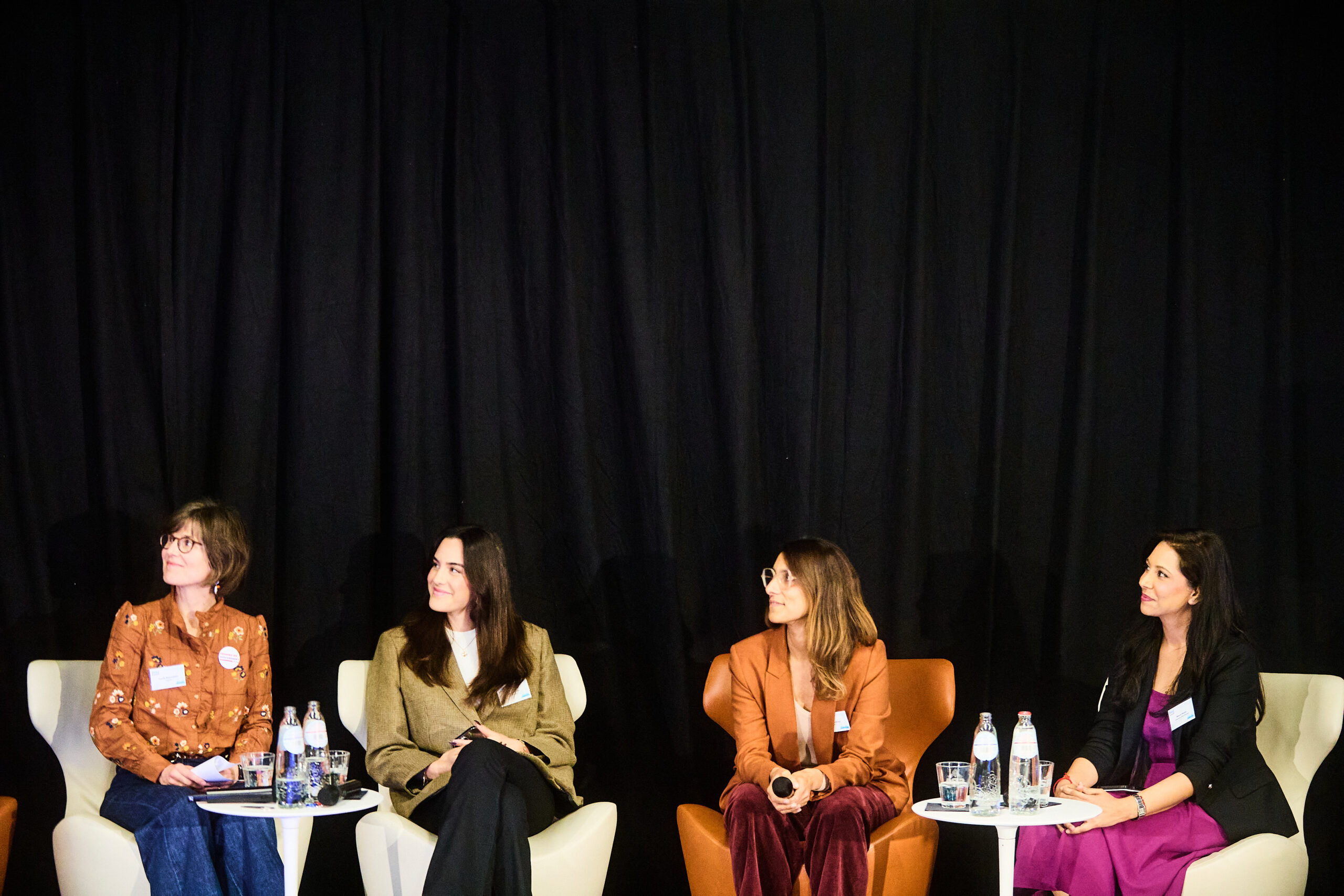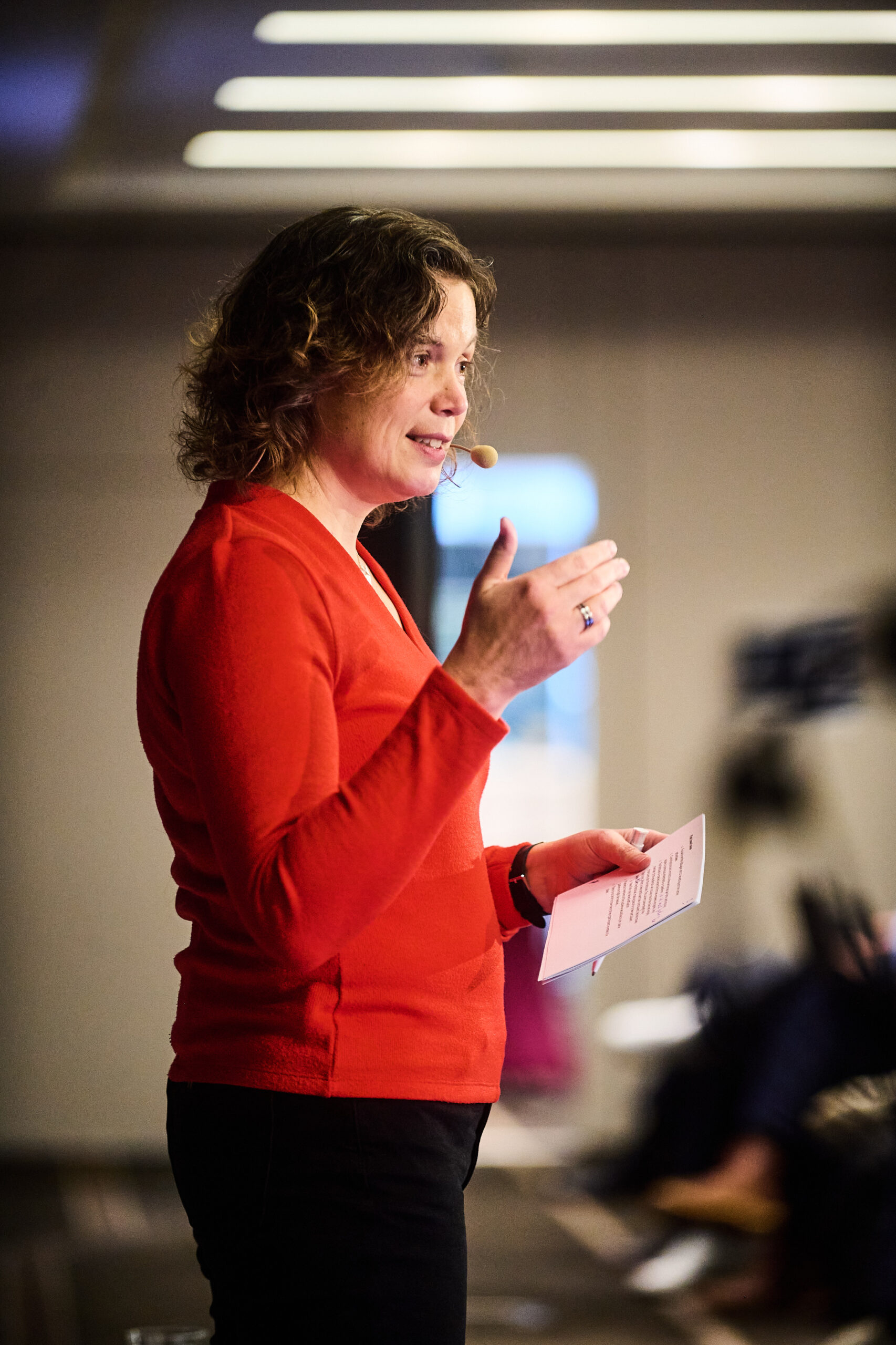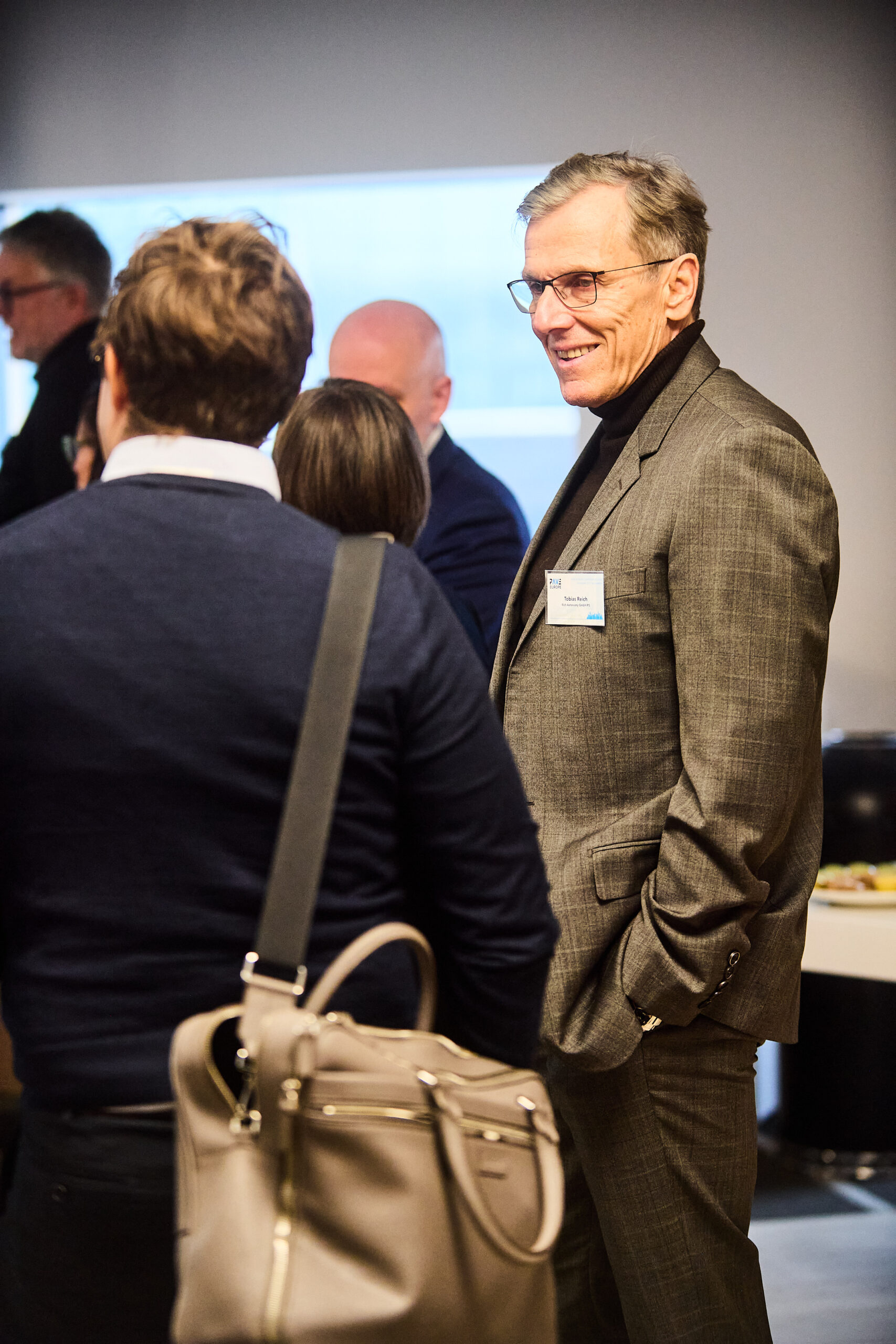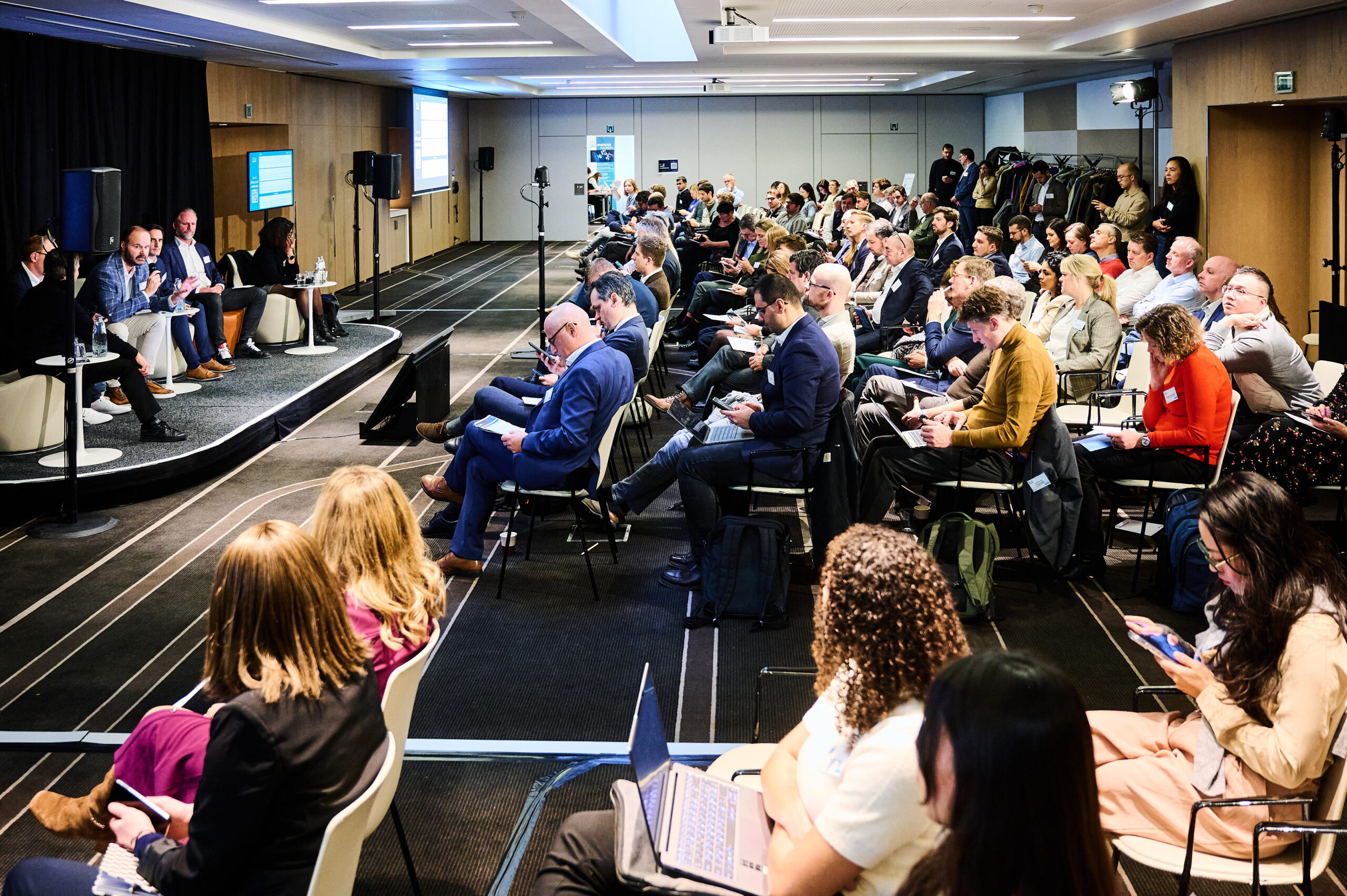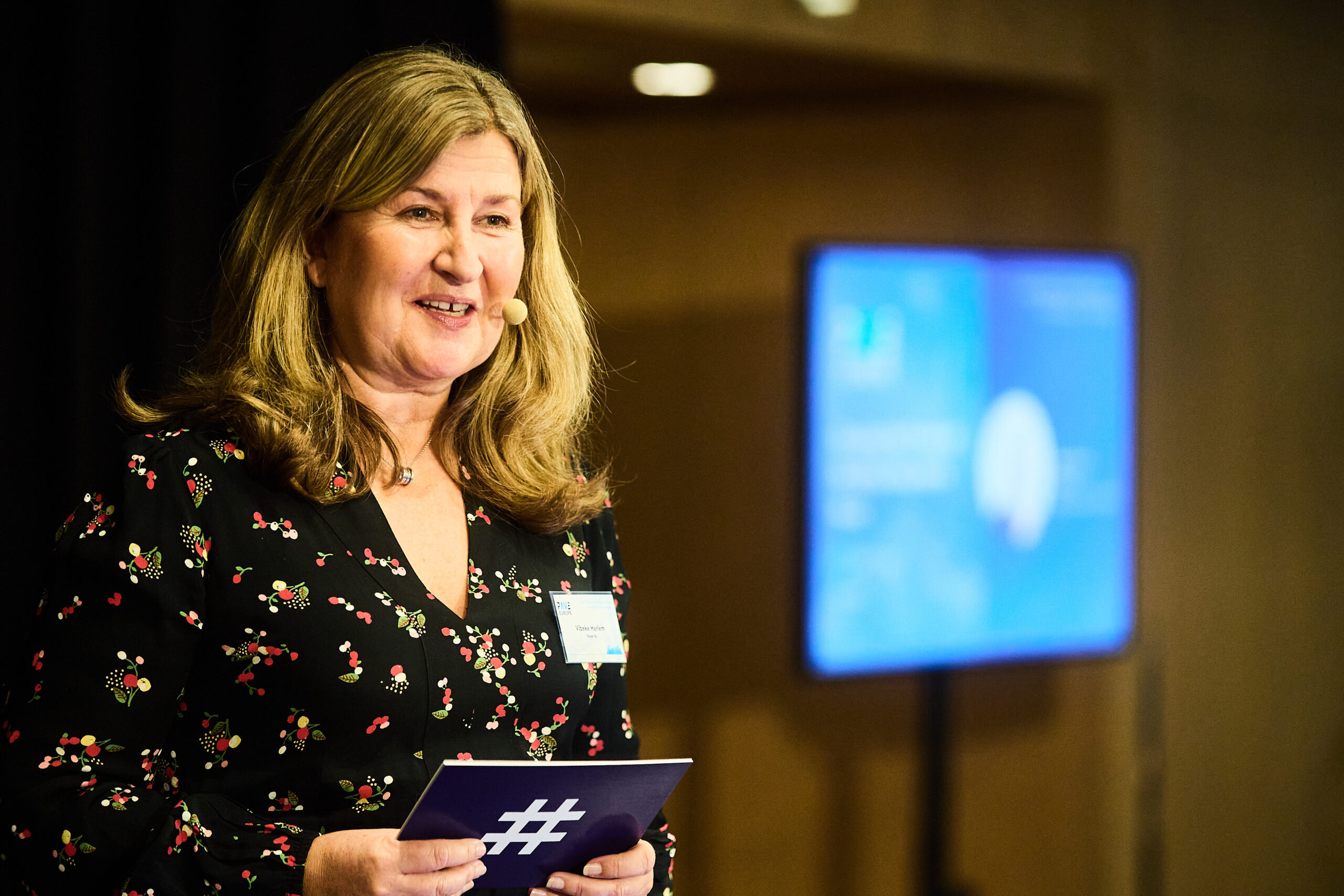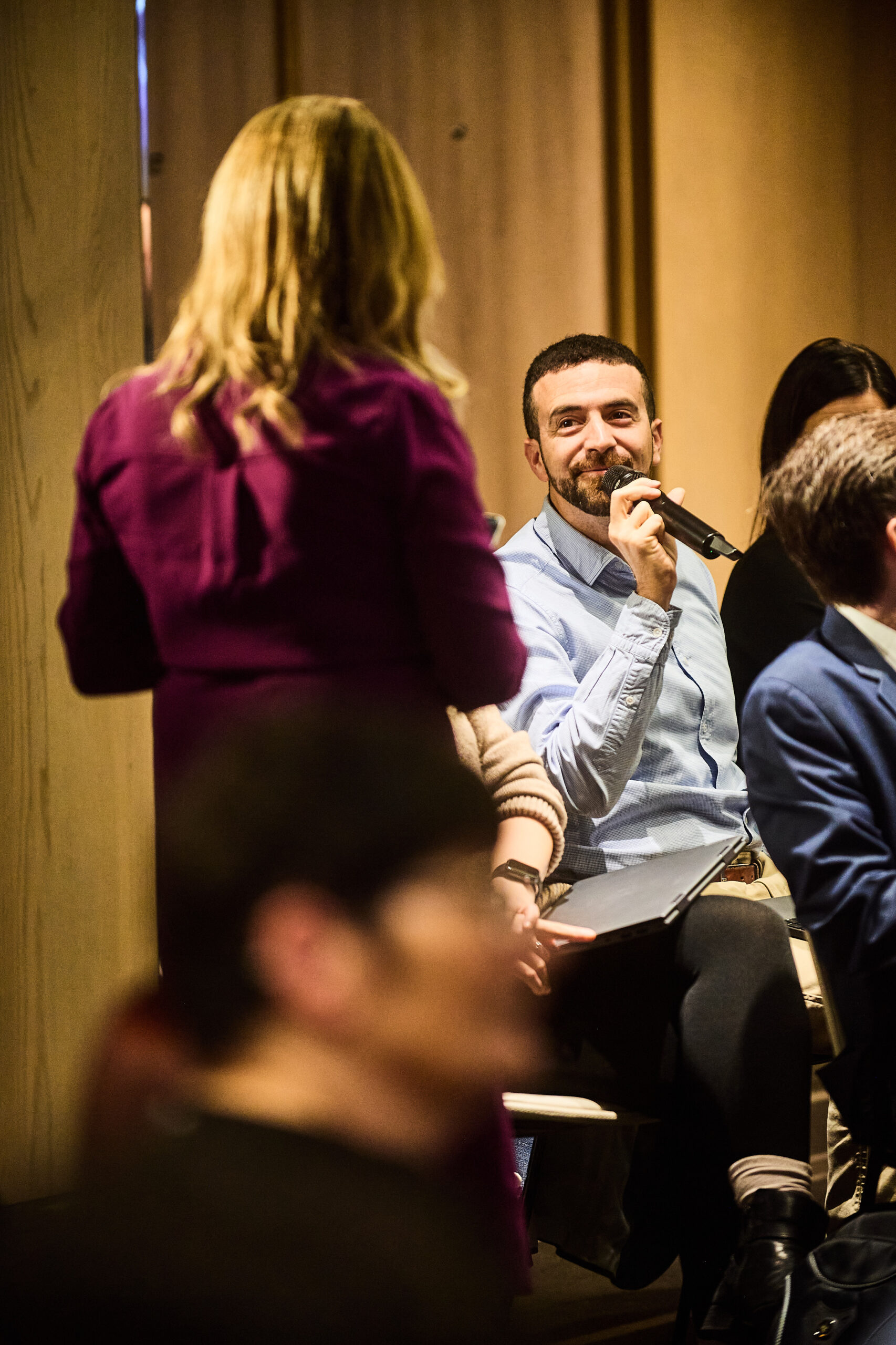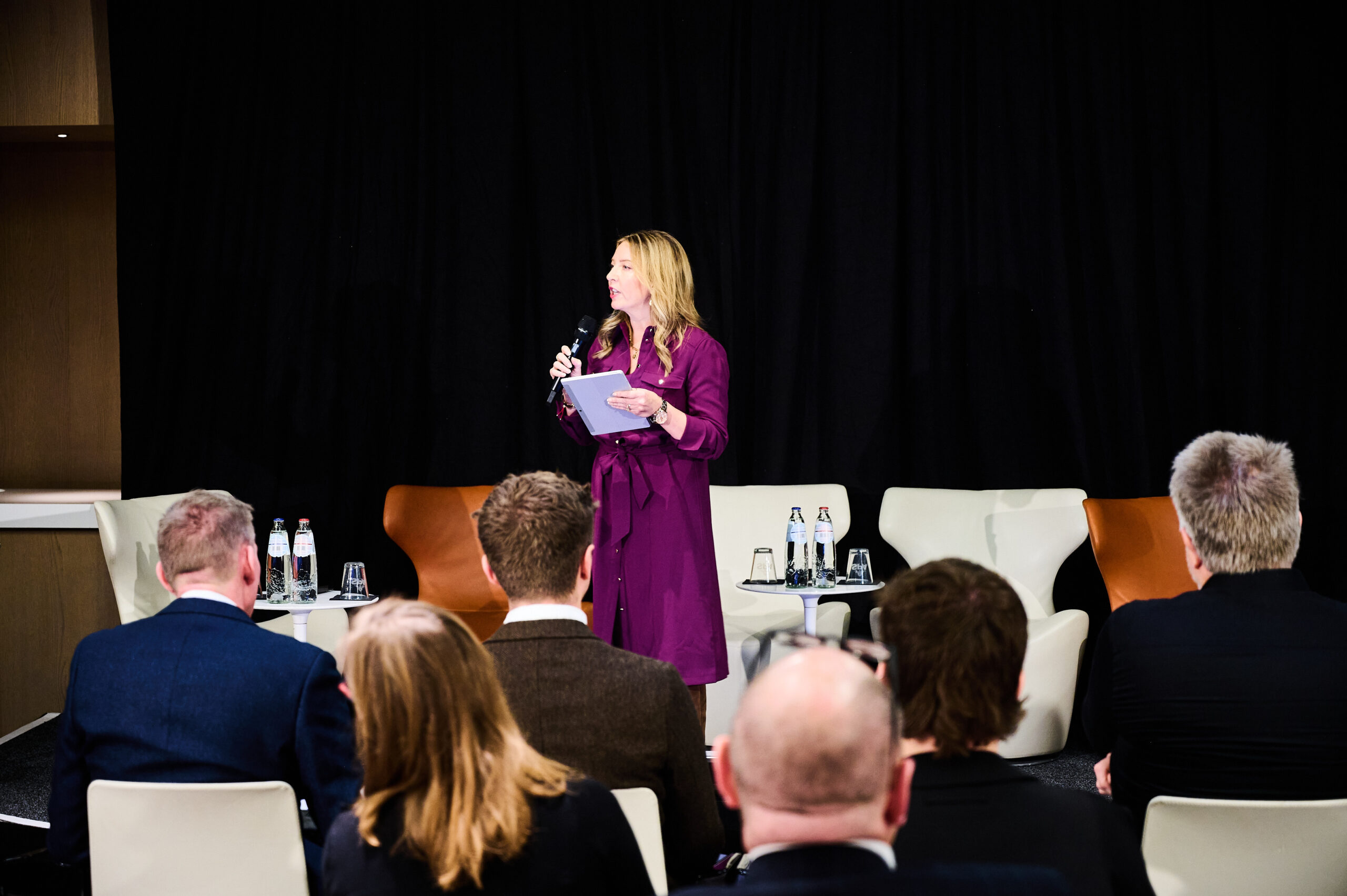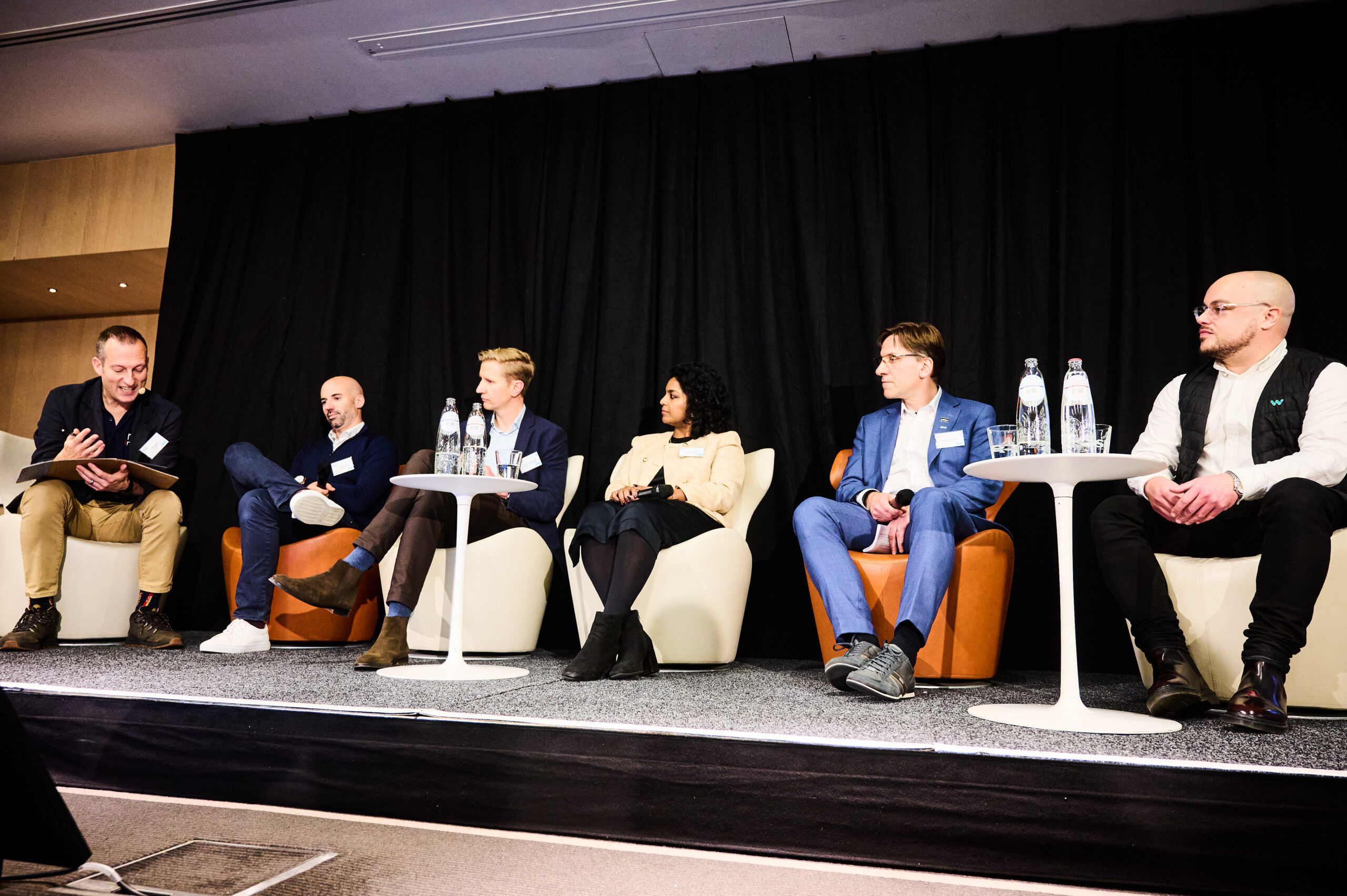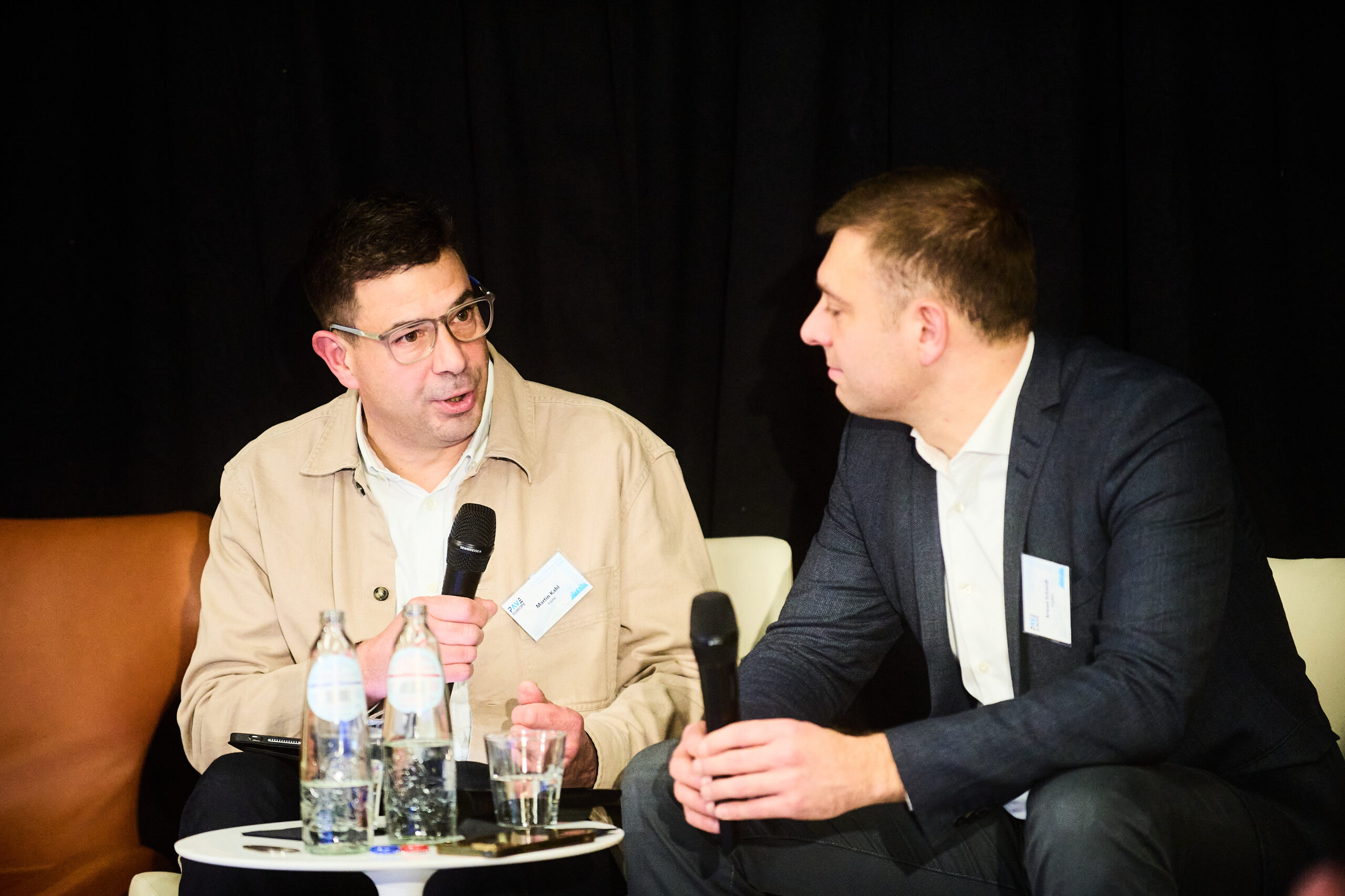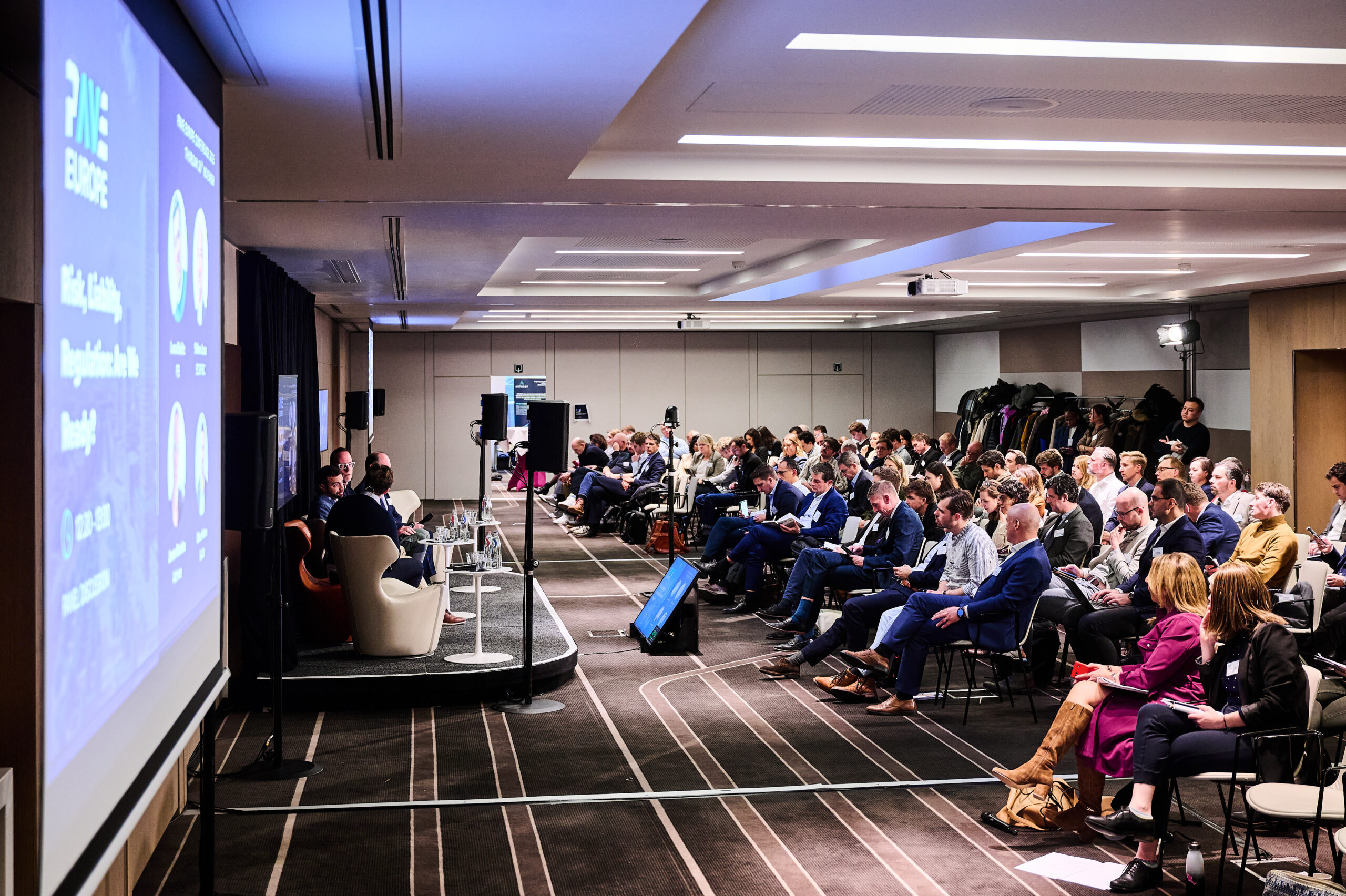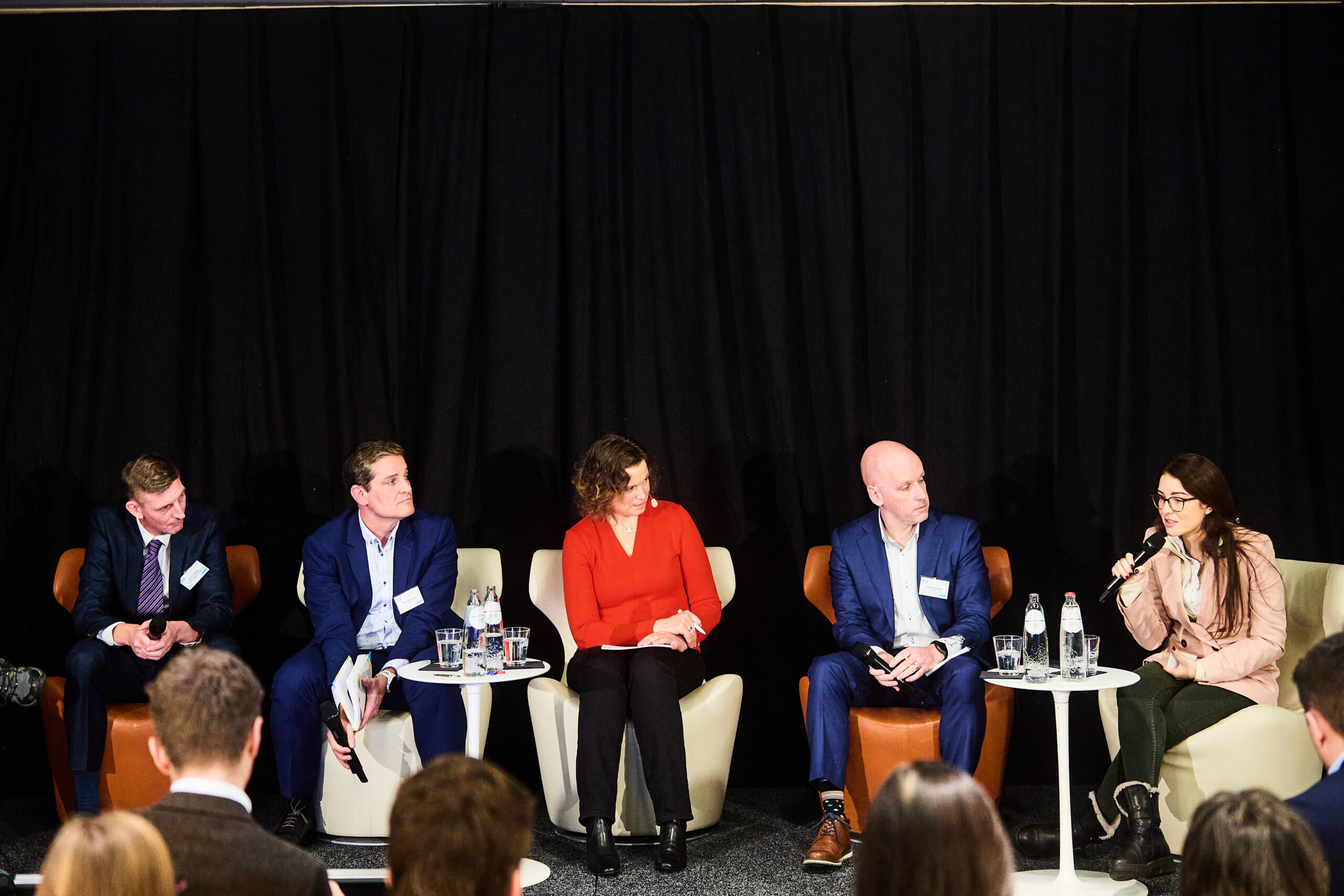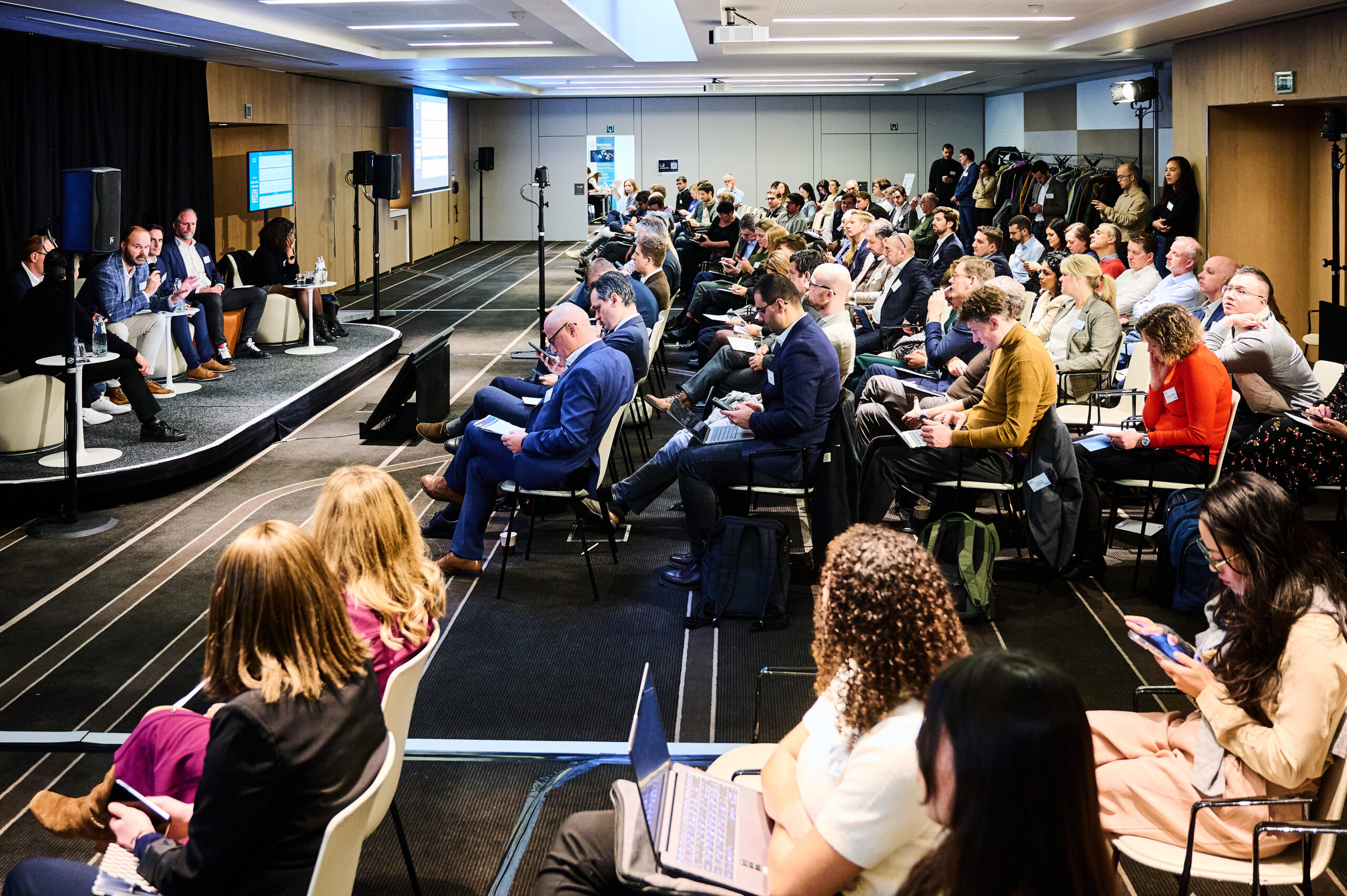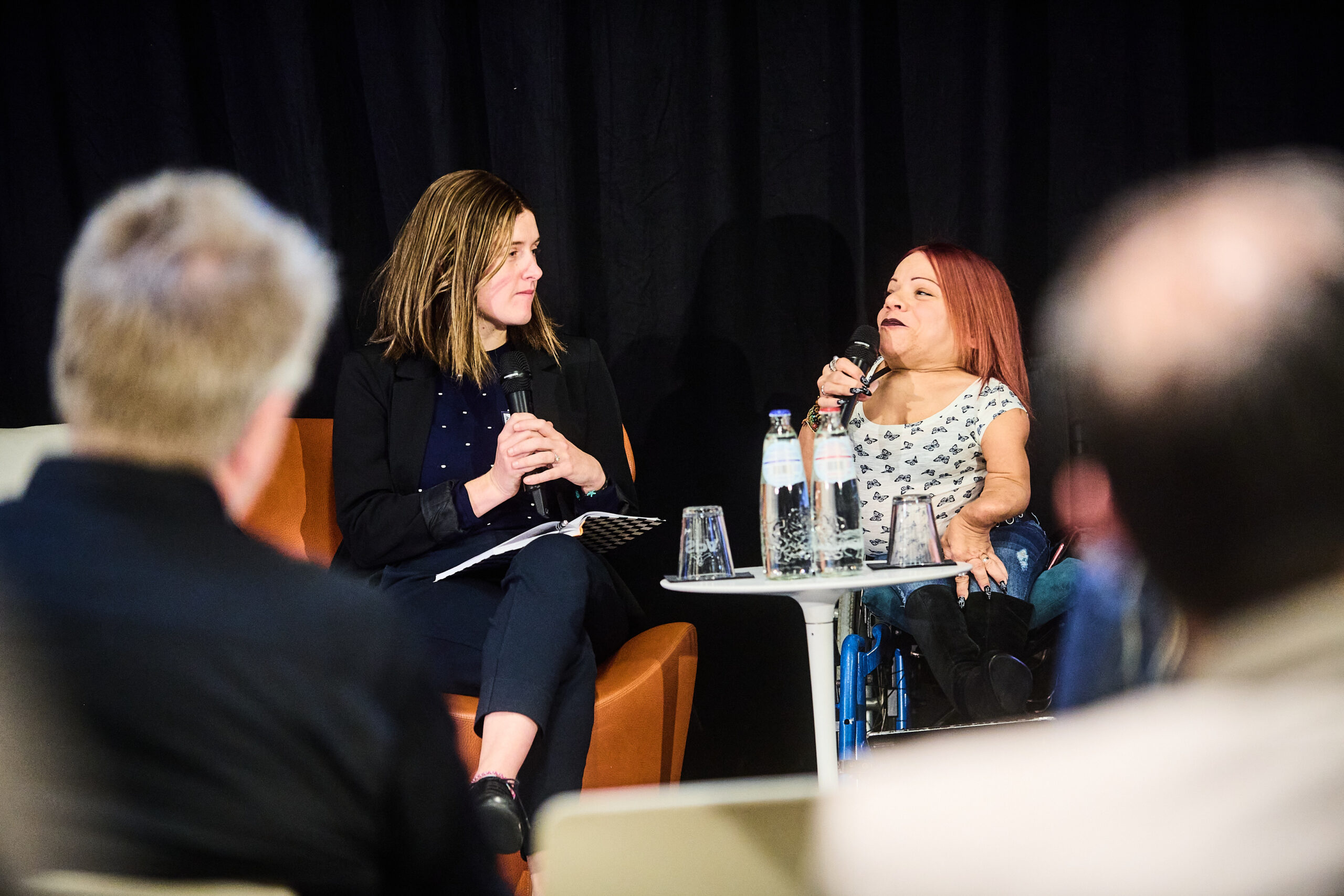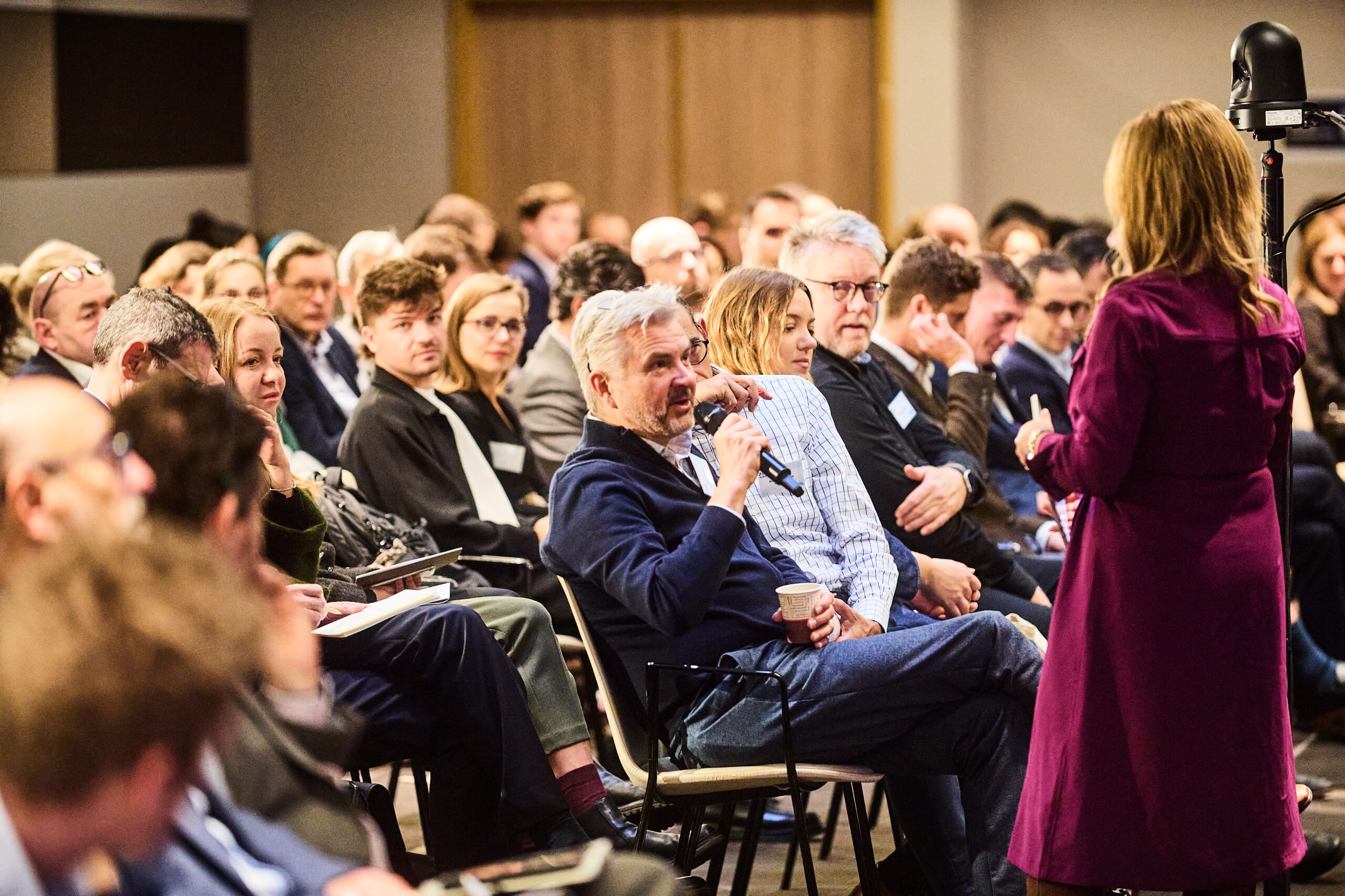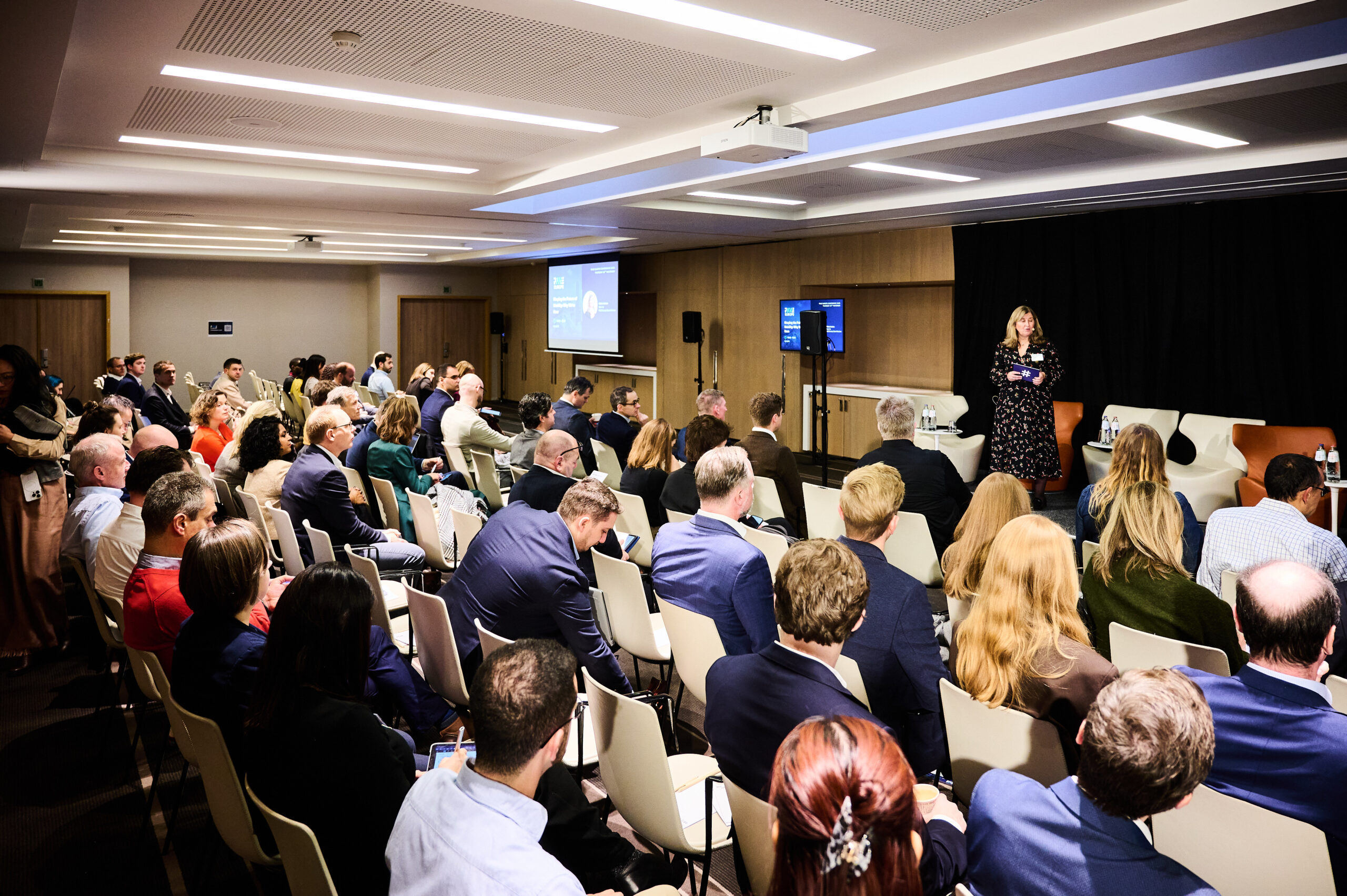
Highlights from the first PAVE Europe Conference 2025.

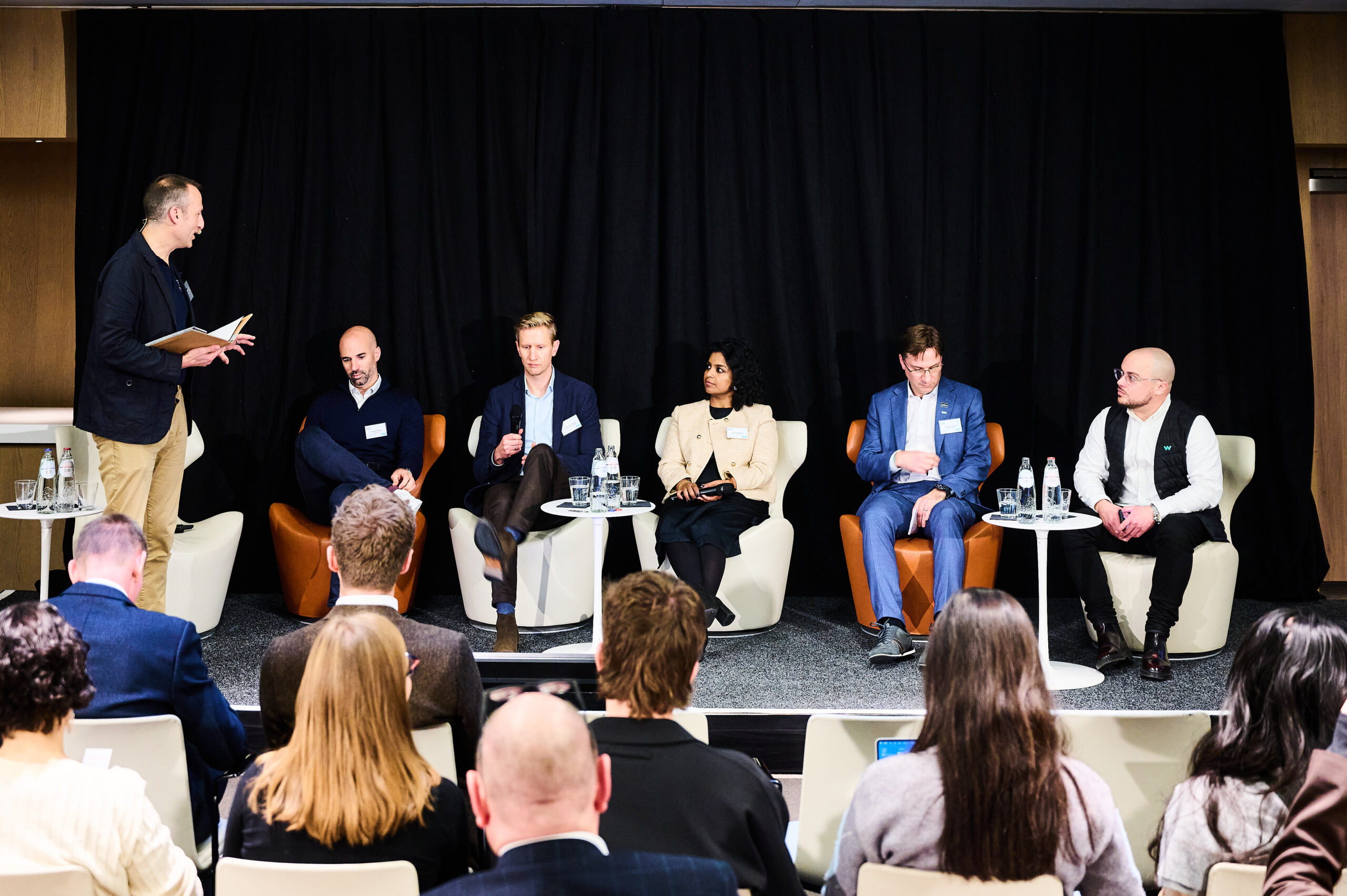
The first PAVE Europe Conference took place in Brussels, Belgium on Thursday 20th November 2025. The event brought together a wide range of voices – from everyday citizens, industry, policymakers, researchers, and others – to explore how autonomous vehicle technologies are reshaping mobility in Europe.

At a time of rapid technological change, we believe that everyone should have the opportunity to understand, question, and help shape the future of mobility. This event was designed as an open, educational space to learn from one another, share experiences, and build common ground on the benefits and challenges of these technologies.

This conference welcomed exchange: tech developers hearing from local communities; city leaders hearing from service providers; and curious citizens engaging with innovators across Europe. 

Conference Report

Across a full day of audience-led dialogue, panels, and community forums, participants confronted Europe’s most pressing challenges: fragmented regulation, scaling beyond pilots, public trust, safety assurance, accessibility, liability, and the need for strong coordination across a complex ecosystem.

This report synthesises discussions on how AVs can be deployed responsibly, inclusively, and at meaningful scale – connecting urban mobility, goods transport, public services, and everyday life.

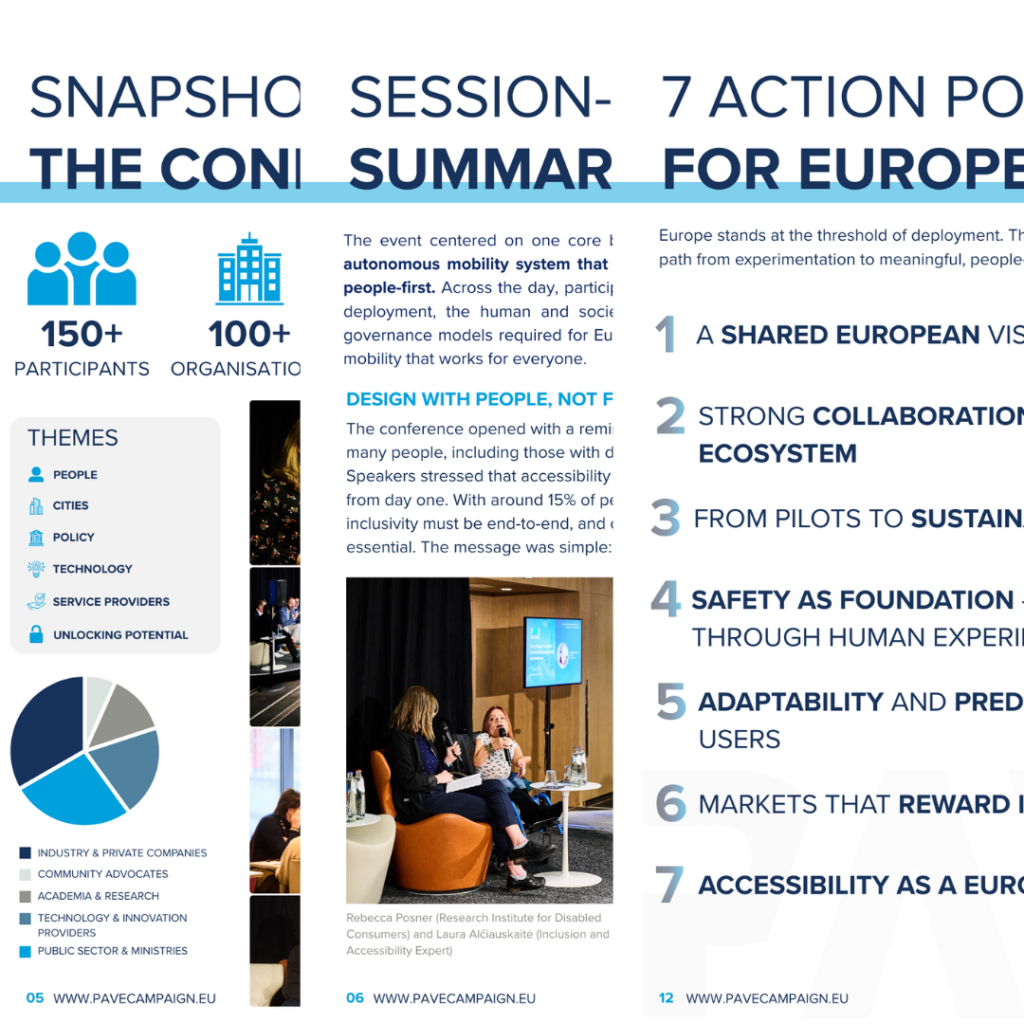
At its core, the publication presents seven action points for Europe, offering a shared roadmap for moving from pilots to deployment, strengthening public confidence, enabling competitive markets, and ensuring that accessibility and human experience remain foundational.

This report is both a reflection of a community in motion and a call to action: to build an autonomous mobility ecosystem that works for people, cities, and society – rooted in openness, evidence, and collaboration.

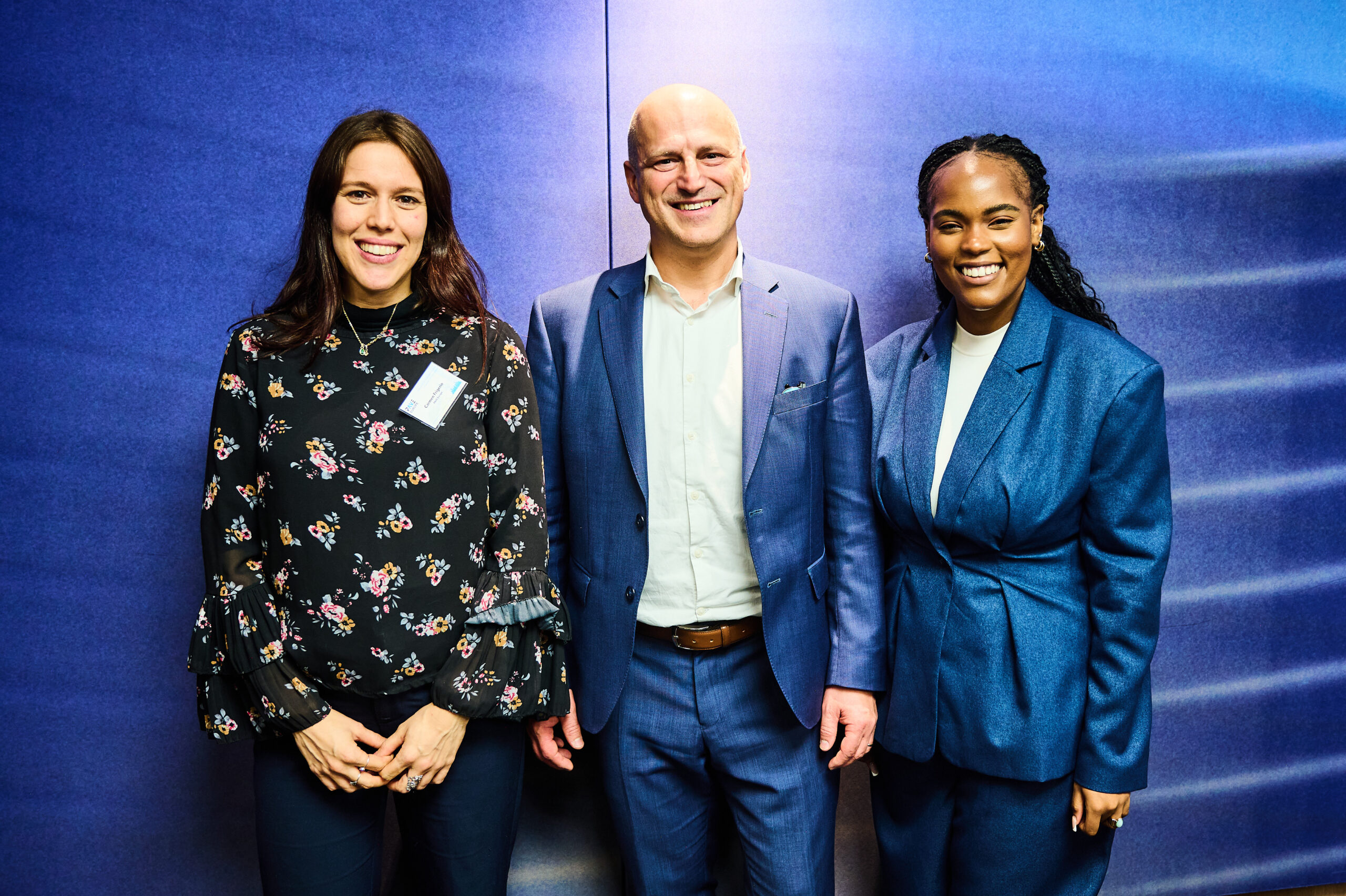
MEP Maran's Perspective on the Future of AVs

MEP Pierfrancesco Maran outlined the importance of collaboration between EU institutions, industry, and initiatives such as PAVE Europe can accelerate responsible innovation. His remarks set the tone for the day, highlighting the importance of inclusivity, sustainability, and cross-sector cooperation in shaping the future of automated transport across Europe.

Gallery

The PAVE Europe Conference 2025 Report captures the insights, debates, and collective priorities that emerged as policymakers, cities, industry leaders, researchers, accessibility advocates, and others came together in Brussels on Thursday 20th November to shape the future of autonomous mobility in Europe.

Across a full day of audience-led dialogue, panels, and community forums, participants confronted Europe’s most pressing challenges: fragmented regulation, scaling beyond pilots, public trust, safety assurance, accessibility, liability, and the need for strong coordination across a complex ecosystem. The report synthesises discussions on how AVs can be deployed responsibly, inclusively, and at meaningful scale – connecting urban mobility, goods transport, public services, and everyday life.

It outlines Europe’s unique strategic position in a rapidly globalising AV landscape, highlighting the urgent need for harmonised rules, cross-border testbeds, and persistent collaboration across cities, Member States, operators, insurers, and technology developers. The report centres societal needs, emphasising co-design with disabled and vulnerable users, trust built through transparency and lived experience, and AV systems that enhance, rather than undermine, sustainable mobility.

At its core, the publication presents seven action points for Europe, offering a shared roadmap for moving from pilots to deployment, strengthening public confidence, enabling competitive markets, and ensuring that accessibility and human experience remain foundational.

This report is both a reflection of a community in motion and a call to action: to build an autonomous mobility ecosystem that works for people, cities, and society – rooted in openness, evidence, and collaboration.



Read the Report