On 10–11 December, PAVE Europe hosted a Study Visit on Autonomous Vehicles in Oslo, bringing together public authorities, transport operators, industry leaders, researchers, and European projects to explore the realities of deploying automated mobility in real-world conditions.
Over two days, participants engaged in open discussions, technical exchanges, and hands-on experiences, focusing on how autonomous vehicle services can move from pilot phases toward scalable, trusted operations within European public transport systems.
Day 1: From Deployment to Scaling
The first day of the Study Visit was dedicated to knowledge exchange and dialogue, with a strong focus on lessons learned from Oslo’s long-running autonomous vehicle pilot in the Grorud Valley. Participants explored what it truly takes to move from testing to more mature operations, discussing topics such as operational readiness, organisational learning, technical performance, safety validation, regulatory perspectives, public acceptance, and the path toward scaling and commercial deployment.
Beyond the Oslo experience, the agenda offered broader European and global perspectives. PAVE Europe’s Board Observer, Lukas Neckermann, highlighted the challenges of shared autonomous services, with the opportunity to of integrating them with public transport, “if Public Transport Authorities take a leading role“. Thus, he stressed on the importance of sharing knowledge and experiences as a key enabler for advancing autonomous mobility.
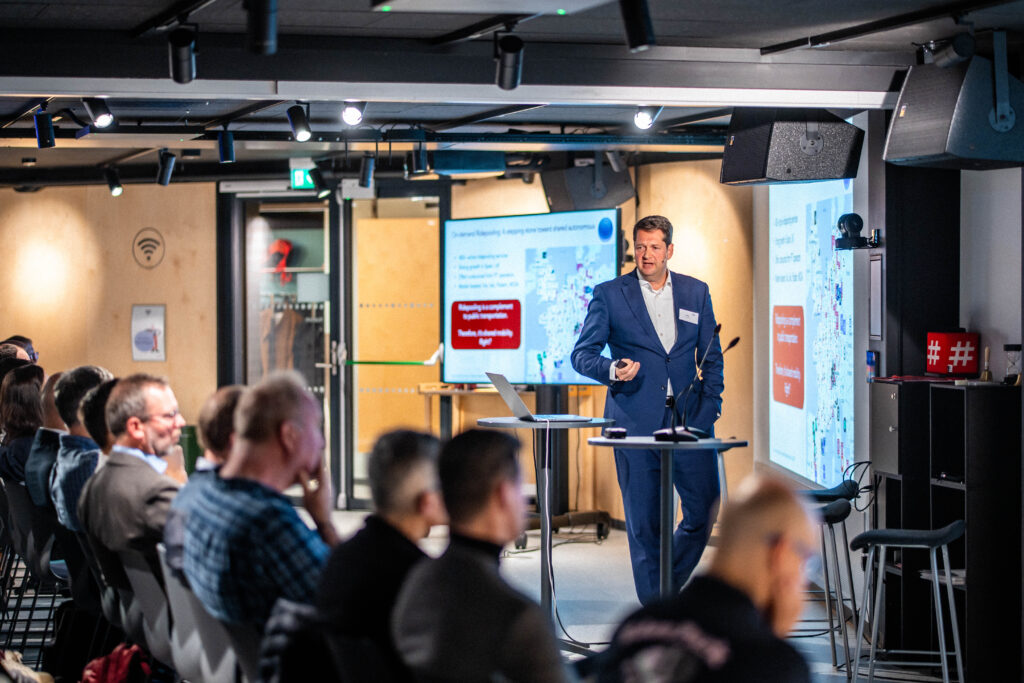
Insights were also shared from other European cities, including Hamburg and Gothenburg, allowing participants to compare approaches and challenges across different contexts.
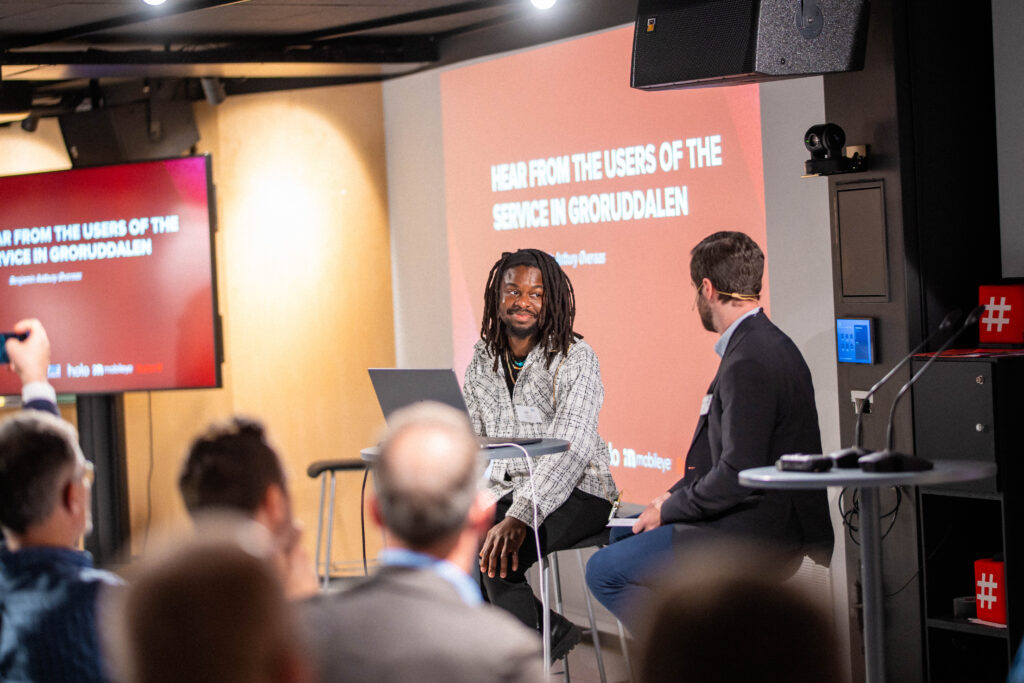
A particularly valuable contribution came from real users of the Grorud Valley service, whose feedback provided a concrete understanding of what it means to deliver an autonomous service that is truly valuable and accessible to people. Their perspectives underscored the importance of user-centric design and trust in the successful deployment of automated mobility.
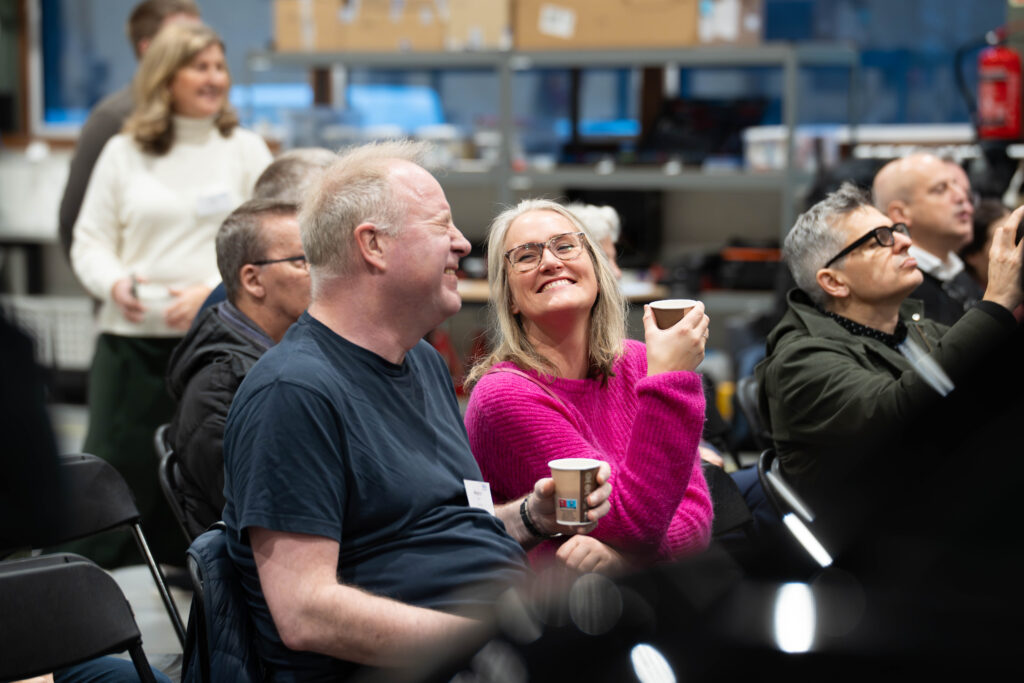

The day concluded with a panel discussion featuring Ruter, Mobileye, and Holo, which helped the audience better understand the value of partnerships and collaboration in bringing autonomous mobility services to life. The discussion highlighted how close cooperation between public authorities, technology providers, and operators is essential to overcoming challenges and enabling sustainable, scalable deployment.
A presentation given by PAVE Europe, also showed how EU-funded projects* (active in the CCAM ecosystem) support cities and operators in addressing these challenges, reinforcing the importance of European collaboration and knowledge transfer.
A Major Announcement for Oslo’s AV Future
During the Study Visit, a major milestone for Oslo’s autonomous mobility journey was announced:
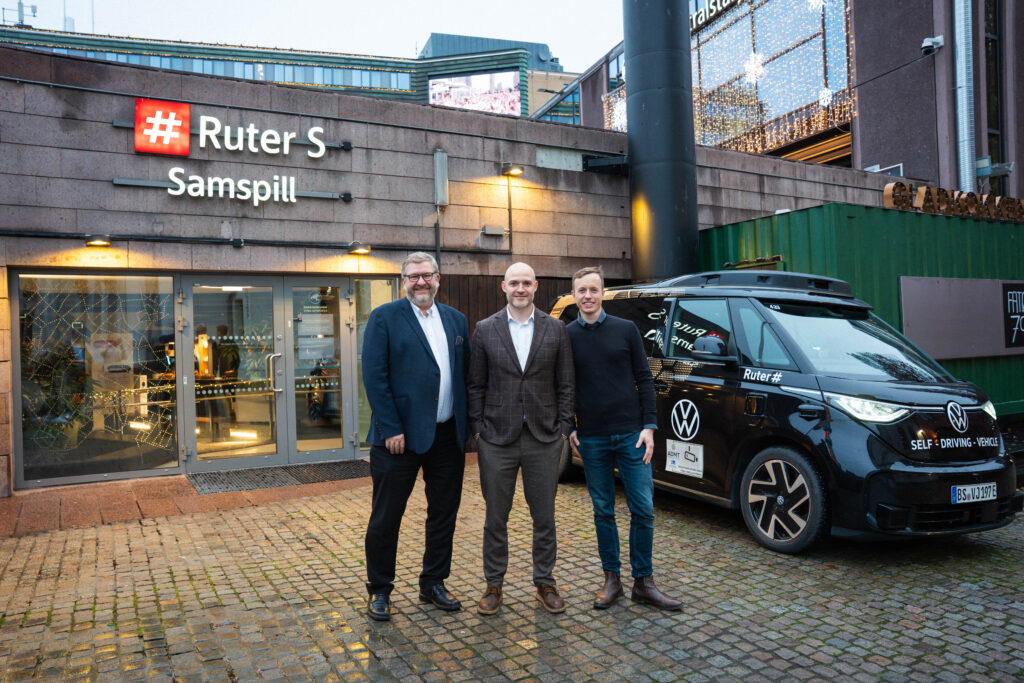
Ruter and MOIA will collaborate with Mobileye to advance the next stage of autonomous vehicle deployment in the city, building on the experience gained so far and setting the foundation for more mature services in the coming years.
This announcement highlights Oslo’s role as a leading European testbed for automated public transport and reflects the strong collaboration between public authorities and industry partners.
Day 2: Experiencing AVs in Real Conditions
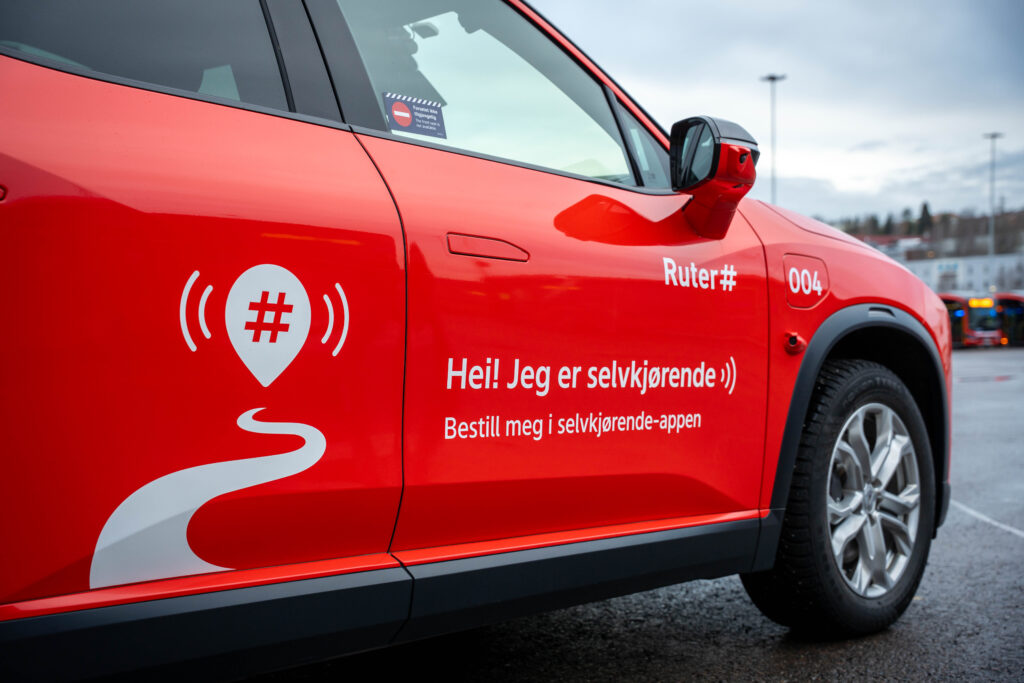
The second day gave participants the opportunity to experience autonomous vehicles firsthand in Grorud, under real operational conditions. Through test rides and on-site exchanges, participants were able not only to observe how the vehicles operate in winter conditions, but also to engage directly with experts involved in the Grorud Valley project.
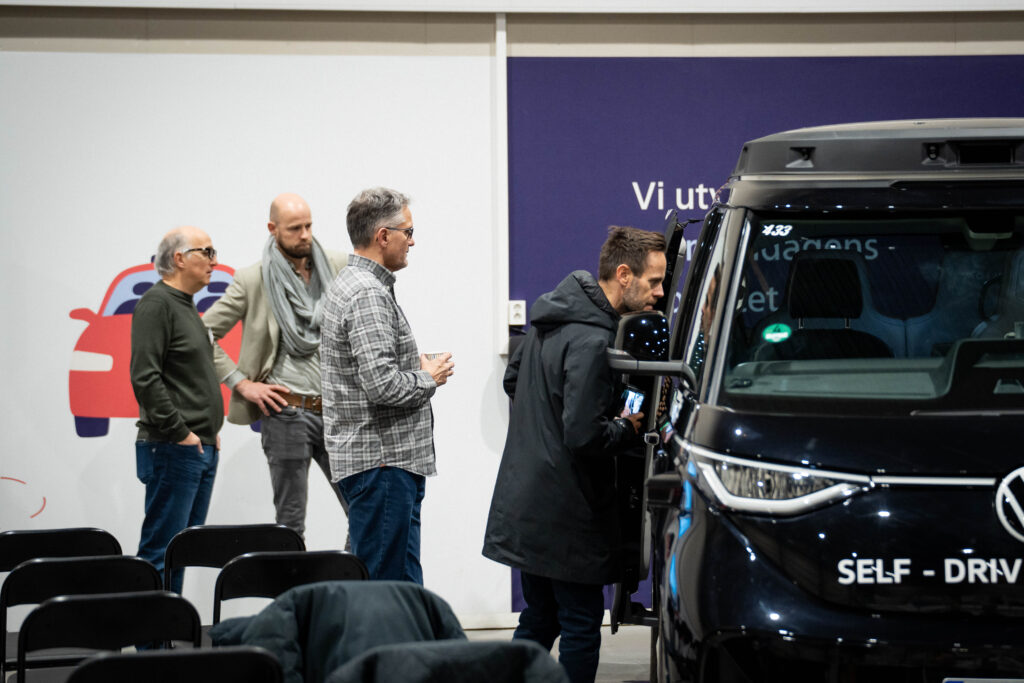
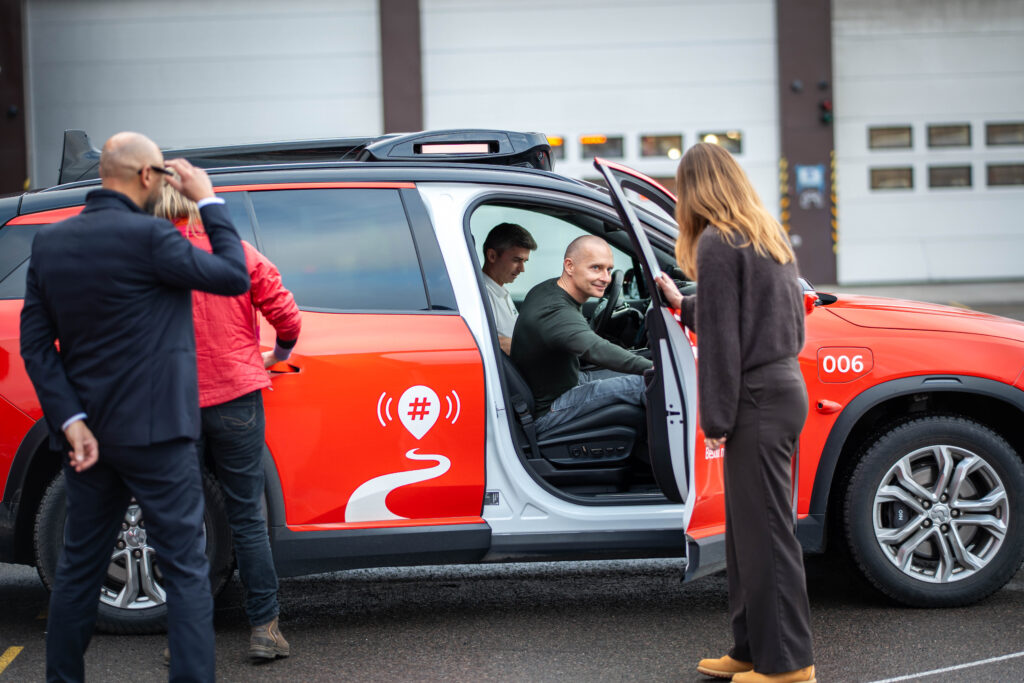
Dedicated moments allowed visitors to ask questions and discuss key aspects of the deployment, including vehicle and technology performance, the customer journey and user experience, and the operational setup required to run the service on a daily basis. These exchanges provided valuable insight into both the challenges faced and the achievements made so far in integrating autonomous vehicles into public transport services in Norway.
This hands-on experience helped participants directly connect the discussions from Day 1 with the practical realities of deployment, reinforcing the value of learning from real-world operations.
Why Study Visits Matter
PAVE Europe continue it mission of educating stakeholders with key activities like the organisation of study visits across Europe and beyond, offering opportunities to see, experience, and discuss autonomous mobility in real contexts.
These visits demonstrate that Europe is advancing in the field of automated mobility in its own way—through strong public transport integration, close cooperation between stakeholders, and solutions tailored to Europe’s diverse landscapes, regulatory frameworks, and societal needs.
The Oslo Study Visit is a clear example of how sharing real-world experiences can help build trust, accelerate learning, and support the responsible scaling of autonomous mobility across Europe.

*EU Projects presented during the Study Visit: CCAMBassador, AIggregate, CCAMEras, Synergies, DiversifyCCAM, CHORUS.
Photo credit: Surf Media